Juneteenth: The Theft of Rest and the Radical Pursuit of Reclamation
The Evergreen Echo
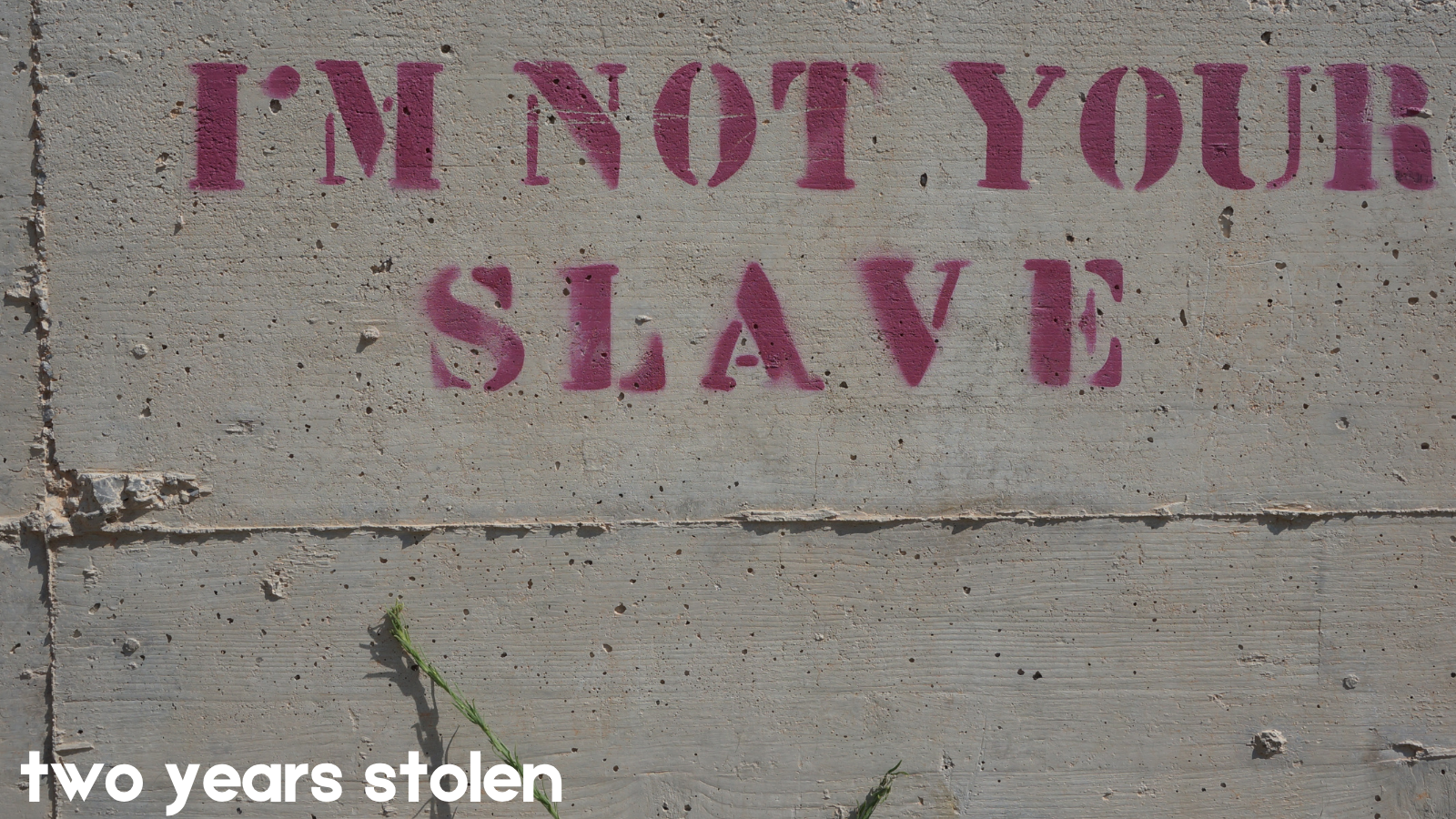
June 19, 1865, in Galveston, Texas, wasn't just a breakdown in communication; it was a calculated, cruel heist of human life. For two long years after the Emancipation Proclamation was signed, enslaved Black people in Texas continued to labor under the watchful eyes of their captors. They operated under a survival blueprint that had been beaten into them for generations: be dutiful, be submissive, and do not make waves. They endured the unendurable to avoid the noose, the lash, and the agonizing heartbreak of having their children torn from their arms.
They sucked it up, swallowed their humanity, and kept working, entirely unaware that, on paper, freedom was already theirs.
This delay wasn't an accident of history or a logistical mishap. It was driven by the insatiable greed of white slave owners who looked at human beings and saw only profit. They felt these men, women, and children were inherently undeserving of liberation. So, they squeezed out two additional years of stolen, backbreaking labor, clinging to a practice they no longer had any legal right to enforce. My heart profoundly grieves for my ancestors. The sheer psychological and physical anguish of those two years, knowing you are giving your everything just to survive, while the promise of your autonomy is being actively locked away in a drawer—is a heavy, haunting weight to carry.
The Stolen Milestones of True Autonomy
Beyond the physical labor, those two stolen years completely robbed Black people of the vital life milestones that defined actual freedom. They were kept from the immediate, desperate search to find long-lost loved ones who had been sold down river. They were blocked from legally binding their marriages and solidifying the family units that slavery had spent centuries trying to rip apart. They were denied the right to pool resources, buy land, build equity, and found the independent schools that would educate the next generation. Every single day of delayed emancipation was a day stolen from laying the foundations of generational wealth, security, and community building.
From Systemic Exploitation to Modern Capitalist Performance
Fast forward to the present day. Juneteenth is now recognized as a federal holiday, but the systemic impulse to exploit Black pain and triumph hasn't vanished; it has just been rebranded. For some, the day is a genuine moment of solemn reflection, a time to look back at the historical trauma, honor the resilience of those who came before, and vow to be an active force for systemic change. But for far too many others, Juneteenth has been turned into a corporate marketing gimmick.
It is deeply disgusting to watch institutions exploit this sacred day like squeezing the very last bit of toothpaste out of a tube. Companies roll out themed merchandise, red-velvet-flavored products, and performative social media posts, all while maintaining internal structures that oppress Black advancement. Never once do these entities stop to truly appreciate the history, understand the gravity of the trauma, or sit in genuine solidarity with my people. It is a shallow capitalization on a deep, ancestral wound.
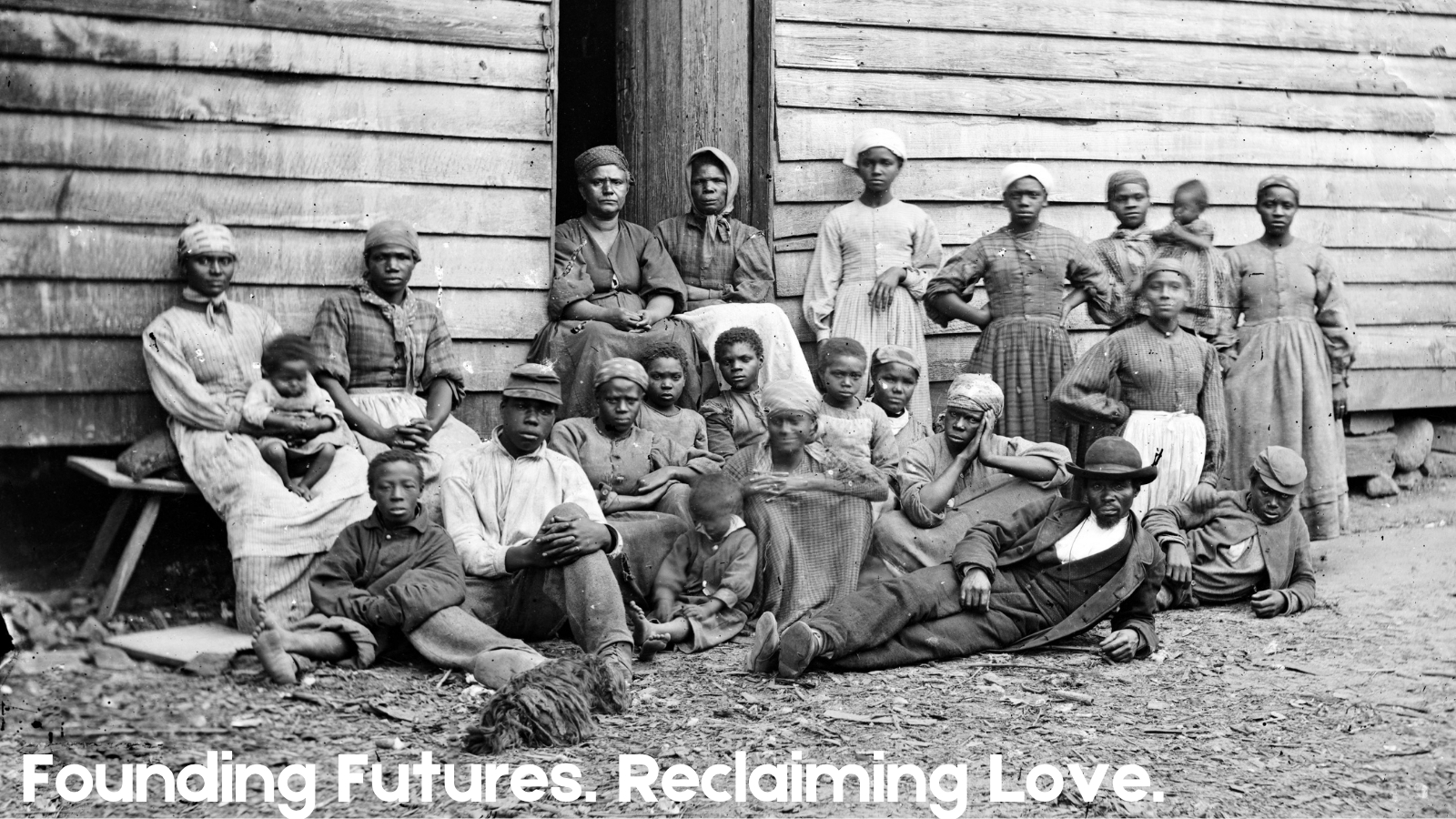
Black family c. late 1800s
The Evergreen Echo via Canva
The Ultimate Resistance: Reclaiming Our Rest
Because of this history of stolen labor and ongoing exploitation, we must radically redefine how we view our time, our bodies, and our peace. Let’s talk about rest.
For centuries, Black bodies have been treated as machines meant to produce until they break. Even today, the grind culture born from that legacy tricks us into believing that rest is something we must earn. But rest is not a reward for super exhaustion. It is a fundamental human right.
Rest is not a luxury reserved for when the work is completely done; it is the vital fuel required to refresh, restore, and remember who you are outside of what you can produce.
When we intentionally choose to rest, we break the generational cycle of forced labor and constant hyper-vigilance.
Rest allows us to:
Recalibrate—To clear the noise of a world that constantly demands our output and realign with our true purpose.
Recharge—To replenish our physical, emotional, and spiritual reserves so we can show up fully for ourselves and our communities.
Resist—To boldly declare that our value is inherent, not tied to our productivity.
True freedom is not just the absence of shackles; it is the presence of peace. To honor the ancestors who were robbed of their time, their labor, and their safety, we must refuse to let the modern world rob us of our peace. Choosing to rest, to heal, and to just be is the most profound, revolutionary act of liberation we can perform.