Letter from the Editor
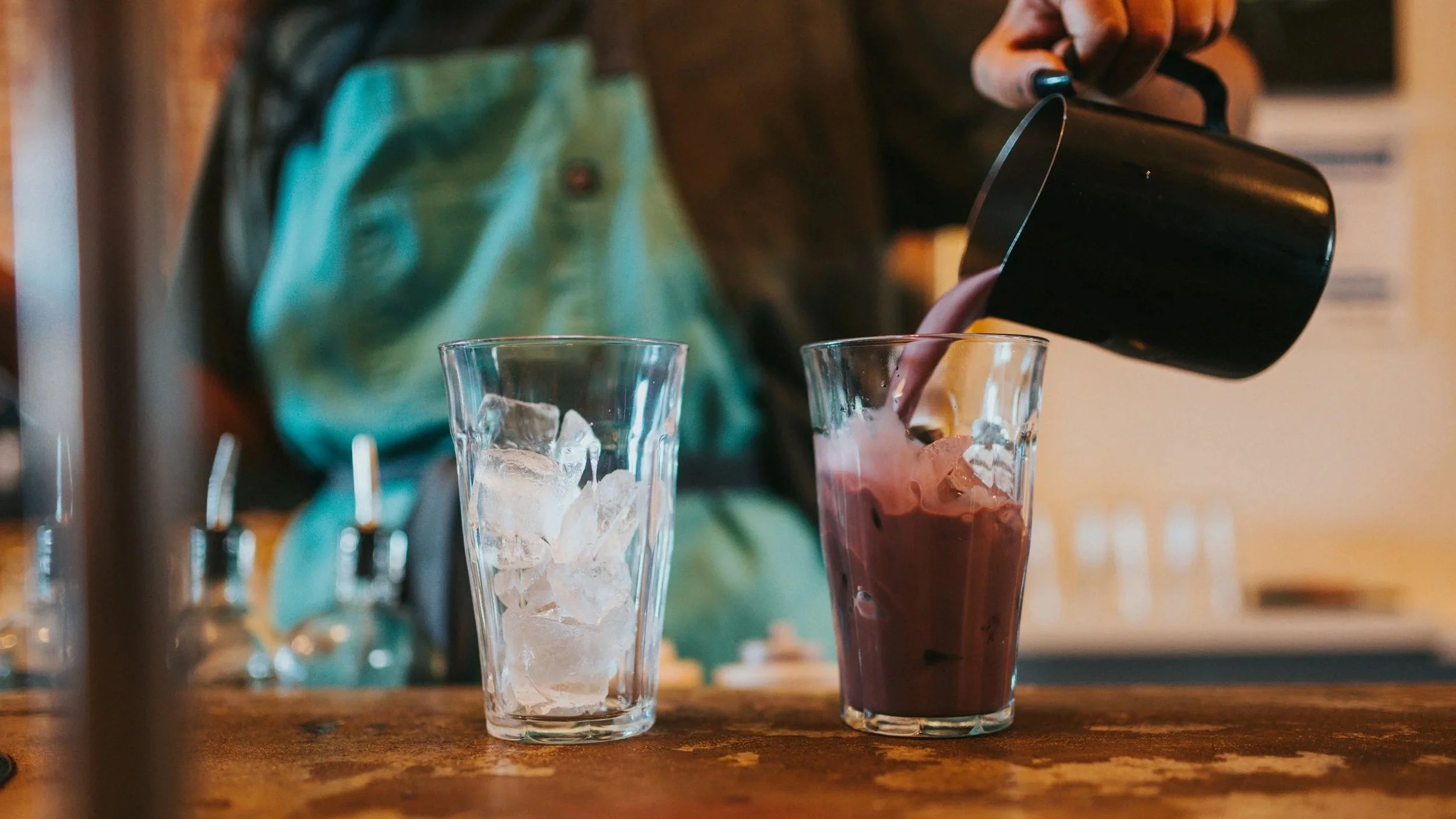
Person pouring coffee over ice
Photo by Nathan Dumlao on Unsplash
Friends and Comrades,
I’ve been thinking a lot lately about Resistance. What it means, what it looks like, and how it sticks. What is its staying power? What keeps it going?
For some, it looks like a ubiquitous presence, reporting events in real time, and supporting vulnerable communities. For others, it’s staying inside as warriors behind screens or as hosts for people in need.
To those on the right side of history with their constant documentation of facts and calls to action, we SALUTE you. Some of our own may be right there with you making good trouble.
Recently I became overwhelmed with the barrage of Things to Know in this chaotic, petrifying moment in our collective history. I couldn’t help wondering if The Echo should do more, be more, act more, and try more. I wondered how we, too, could consistently have boots on the ground, do minute-to-minute reporting, and release a plethora of journalists joining every other observer covering as much as possible on the front lines.
Thankfully, it wasn’t long before I arrived at the answer our Creatives had already iterated:
Art is Resistance.
It’s inherently a resistance to the status quo, because it creates space for us to think, examine, enjoy, and imagine. It reminds us to deliberate progressively on what makes us human and the strength of our convictions. (This isn’t by any means a seminal sentiment to those of us in artsy or creative circles, especially where creators are some flavor of marginalized or vulnerable.)
Growing up, WWII was a popular subject because all of the adults in my purview were keepers of their parents’ memories of that time. I won’t reiterate the analogies in current social discourse ad nauseum; I’ll only mention that the narrative I grew up with (admittedly white-centered) was a combination of “Never Again,” and “This was the last war we fought for an ethical or moral cause.” As anyone who’s studied US history can tell you, after 1945, every war the US began or entered had no such lofty or hopeful ideals; instead each was an imperialist conflict waged purely in service of national economic interests.
During WWII, resistance didn’t just look like the folks who hid Anne Frank’s family. It was spies, codebreakers and codemakers, leaflet distributors, messengers, gatekeepers to hidden rooms, makers, historians, recyclers, gardeners, engineers, mathematicians, welders—you name it.
It was also art. Behind secret doors away from soldiers’ gazes, people still created art and wrote words. They told stories, shared dreams, and couldn’t stop themselves from processing atrocities with a brush, camera, performance, or pencil.
Art is inherently resistance, and it gives us hope. No matter how we carry on, art gives us the reason to do so. It holds up a mirror to us—helps us face the truth, inject a little levity, and imagine a better existence. It stretches our brains by enabling critical thinking, adding color to our lives, and envisioning a bold future. And that’s something no algorithm or code can do yet.
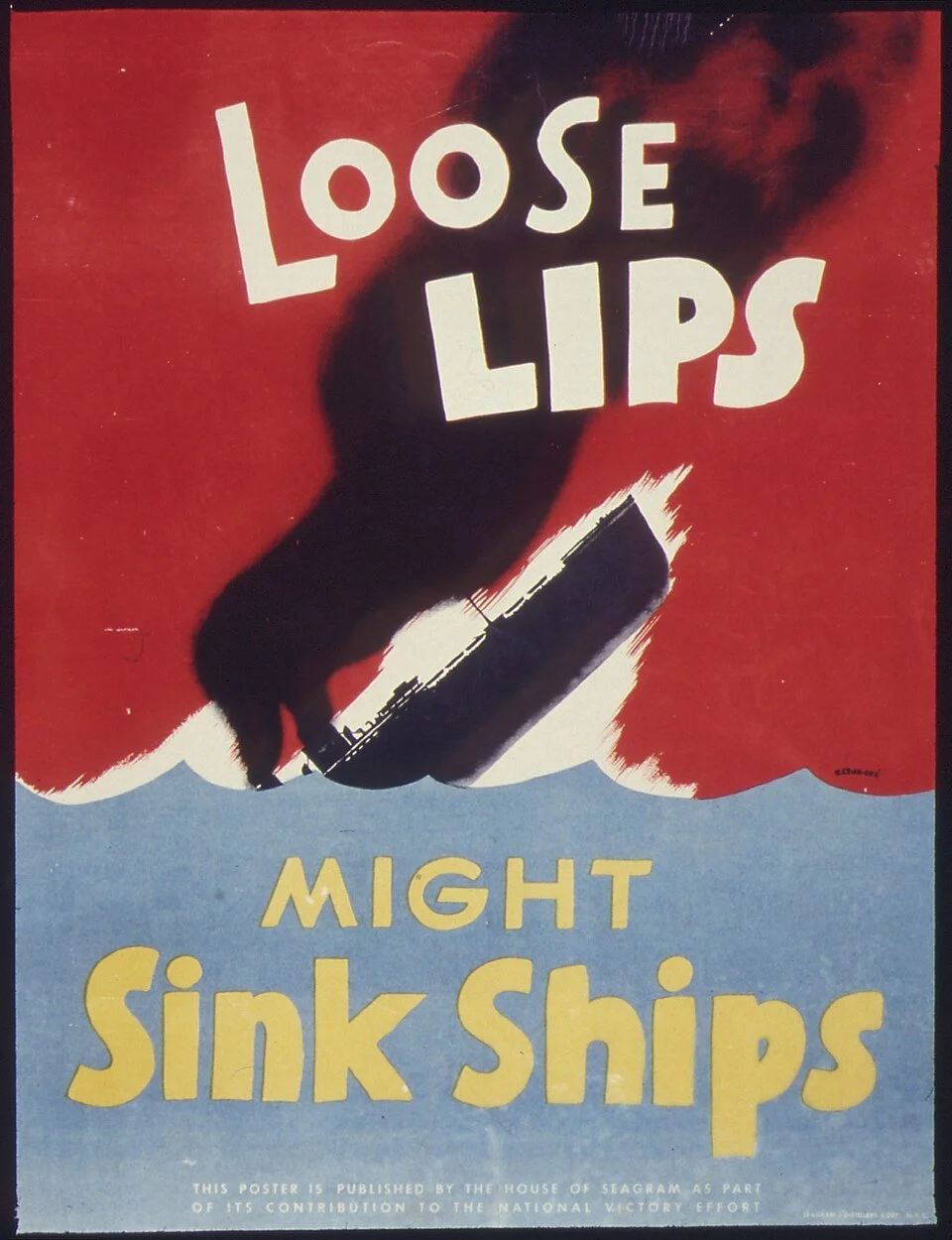
“Loose Lips Might Sink Ships” US poster from WWII
U.S. National Archives and Records Administration, Public Domain, via Wikipedia
So we shall continue what we started. The Echo will keep on bringing you the experiences and stories that give you joy, help you dream, and fill your cup (with a smattering of other reports you might not see elsewhere).
In 2026, though, we’ll do it with a renewed sense of purpose: To resist this regime with every ounce of humanity we’ve got.
Be safe, stay hydrated, and stand strong.
Loose Lips Sink Ships.
In solidarity always,
Mary Adner, Editor