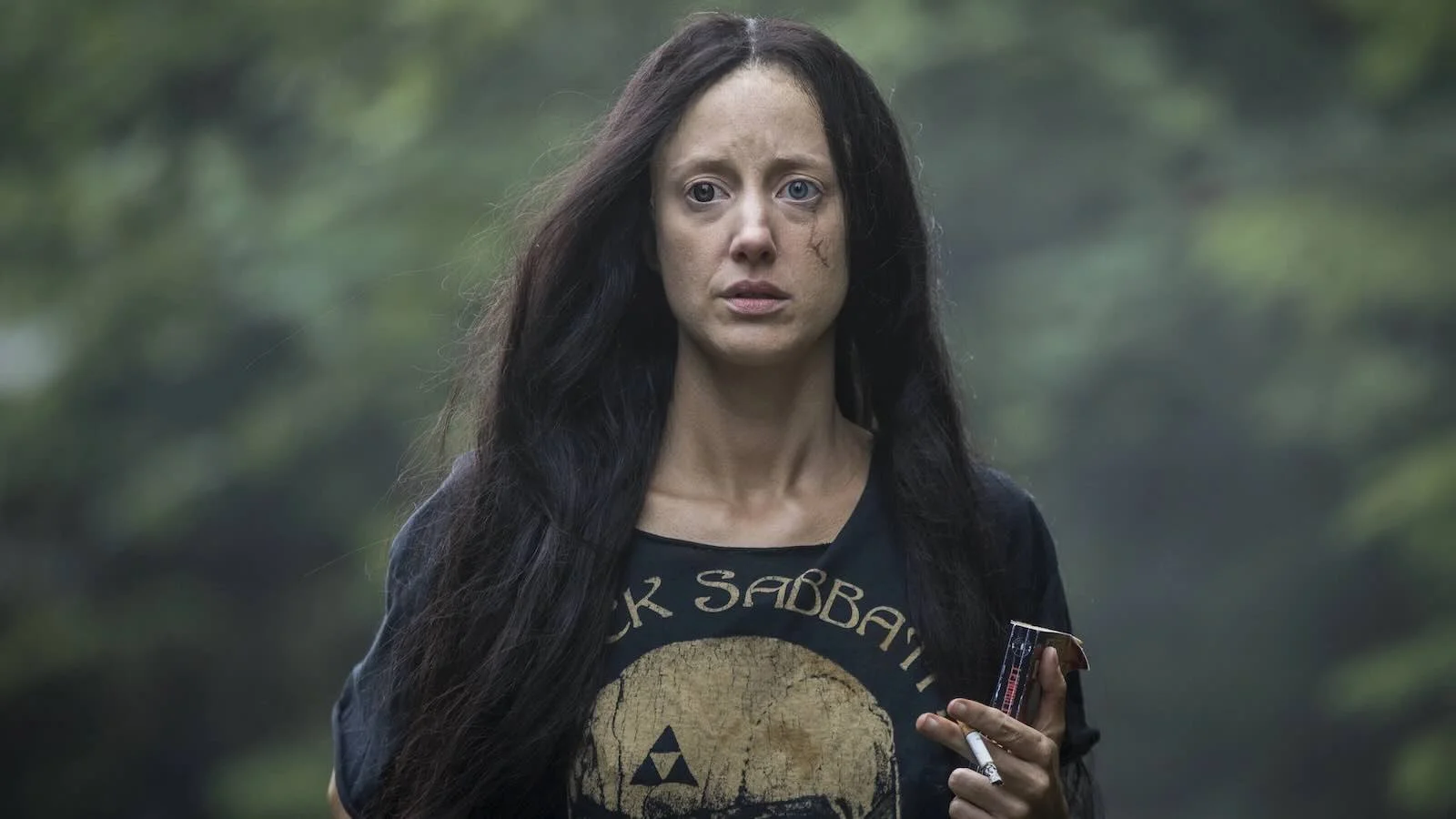
Andrea Riseborough from Mandy │Metrograph via IFC Films
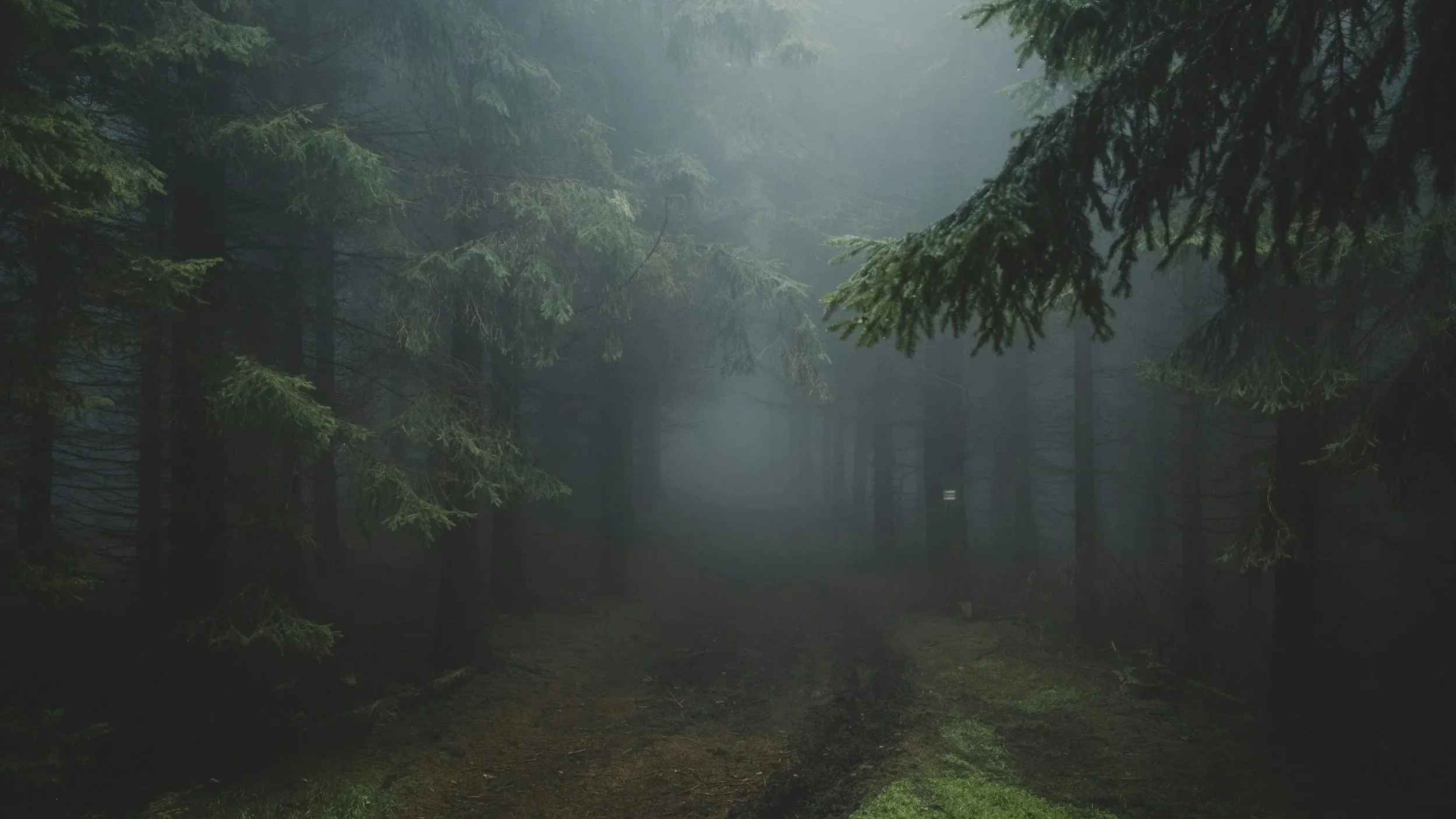
When one thinks of the Pacific Northwest, one might imagine lush mountainous landscapes dappled in moss and fog. It is a gloomy landscape that promises hidden depths and treacherous trails. A haunting environ. As a setting, it often overshadows its narrative’s characters. This isn’t uncommon in fiction, of course: a setting is, in many ways, a character we must develop as writers. But what makes the Pacific Northwest unique?
The PNW has developed a reputation for the supernatural and the strange. This is demonstrated time and time again in films and television, where location is a character in its own right. When did this local zeitgeist begin to develop? Its grim reputation likely began to stem from national park disappearances, rumors of cryptids lurking in the evergreens, and some bigoted othering courtesy of Manifest Destiny. But if we limit our cultural critique to the realm of film, we start to see this “character development” in the mid-1970s.
While not a horror film, One Flew Over The Cuckoo’s Nest sets a tone that would be imitated in films to come. Taking place in Oregon and based on the titular play, it follows a man who fakes mental illness to get a reduced sentence in an asylum. The exaggerated characters, the oppressive atmosphere, the isolation—all of these themes become prevalent. It would be the release of Peter Medak’s The Changeling and Stanley Kubrick’s The Shining five years later, however, that would set the stage for the Pacific Northwest as a cinematic centerpiece for horror. The screenplay for The Changeling was written by Russell Hunter, who based the work on his own experiences while staying in Denver, Colorado. In the film, a New York composer vacations in a Seattle mansion that quickly reveals itself to be deeply haunted. The Shining was based on Stephen King’s novel of the same name (once again starring Jack Nicholson a la One Flew Over The Cuckoo’s Nest). The Torrance family watches a Colorado hotel for the winter, only to be driven to the breaking point by the undead inhabitants. These slow-burn ghost stories would become quintessential motifs in later films like Mandy and shows like Twin Peaks. With its old forests, deep caverns, and long winters, the PNW is no place for fast-paced slashers. This is the realm of monsters lurking in the shadows, biding their time. But not all those monsters are supernatural.
In the ‘90s, we see the rise of psychological thrillers (remember OFOTCN?) with movies like Fear and The Hand That Rocks The Cradle. Perhaps trying to manifest Jack Nicholson’s early-career performances, these films often showcase seemingly harmless antagonists who slowly unravel into murderous brutes. We also get perhaps the most famous piece of Pacific Northwest media: David Lynch’s Twin Peaks. Shot in Snoqualmie, North Bend, and Fall City, the three seasons and the film distill and crystalize the atmosphere of the PNW: a landscape not codified in absolutes but in abstractions. Frost and Lynch luxuriate in the landscape, capturing the natural beauty and violence of the Washington forests. While maintaining elements of the psychological horror films of the decade, Twin Peaks was decidedly more fantastical. And in classic Lynch fashion, many things go unexplained, leaving yawning abysses of narrative mystery in its wake. Perhaps the PNW is well-suited as a horror setting in part because of its capacity to withhold. Narrative is developed just as much by what you choose to not share with your audience. The woods hide the truth in its fog and its crevices—the perfect place for someone nefarious to hide secrets.
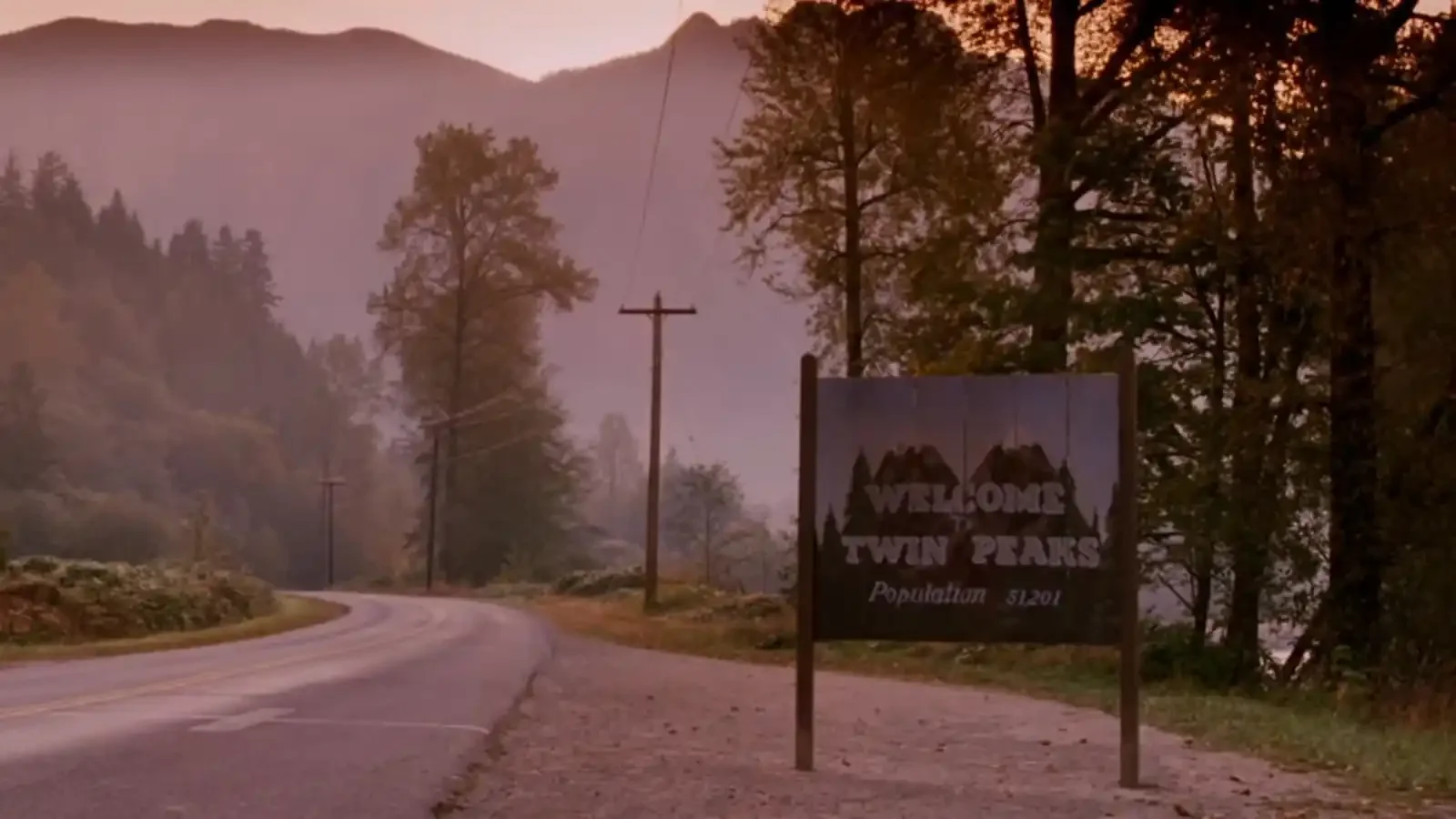
Iconic Twin Peaks │ via Paramount
In the 21st century, we start to catch a glimpse of the J-horror craze. The American remake of The Ring was set in Seattle. A good adaptation of the original film, it deviates in style and tone. It features several prominent local landmarks, including the monorail and the ferry. It reminds me a bit of Nordic mysteries, a location the PNW shares quite a few qualities with. Although not a critical success, The Ring is an iconic Seattle movie that manages to capture its spirit without reducing it to “and it was wet.”
John Carpenter and Panos Cosmatos would both venture into the genre’s waters with The Ward in 2010 and Mandy in 2018, respectively. The Ward is another psychological (literally) horror, while Mandy ventures into the realm of the cosmic. Both films showcase what the PNW has historically done well: the horror of the mind, and the horror of the unknown.
And ultimately, that is what makes the Pacific Northwest so naturally terrifying. When one sees those jaw-dropping shots of huge mountains and craterous lakes, how can one not feel both awe and great fear? Hidden depths mean hidden meanings, and things that are hidden are often hidden for a reason.