Seattle Vice Revives Burlesque Series of Tenderloin Histories at Triple Door

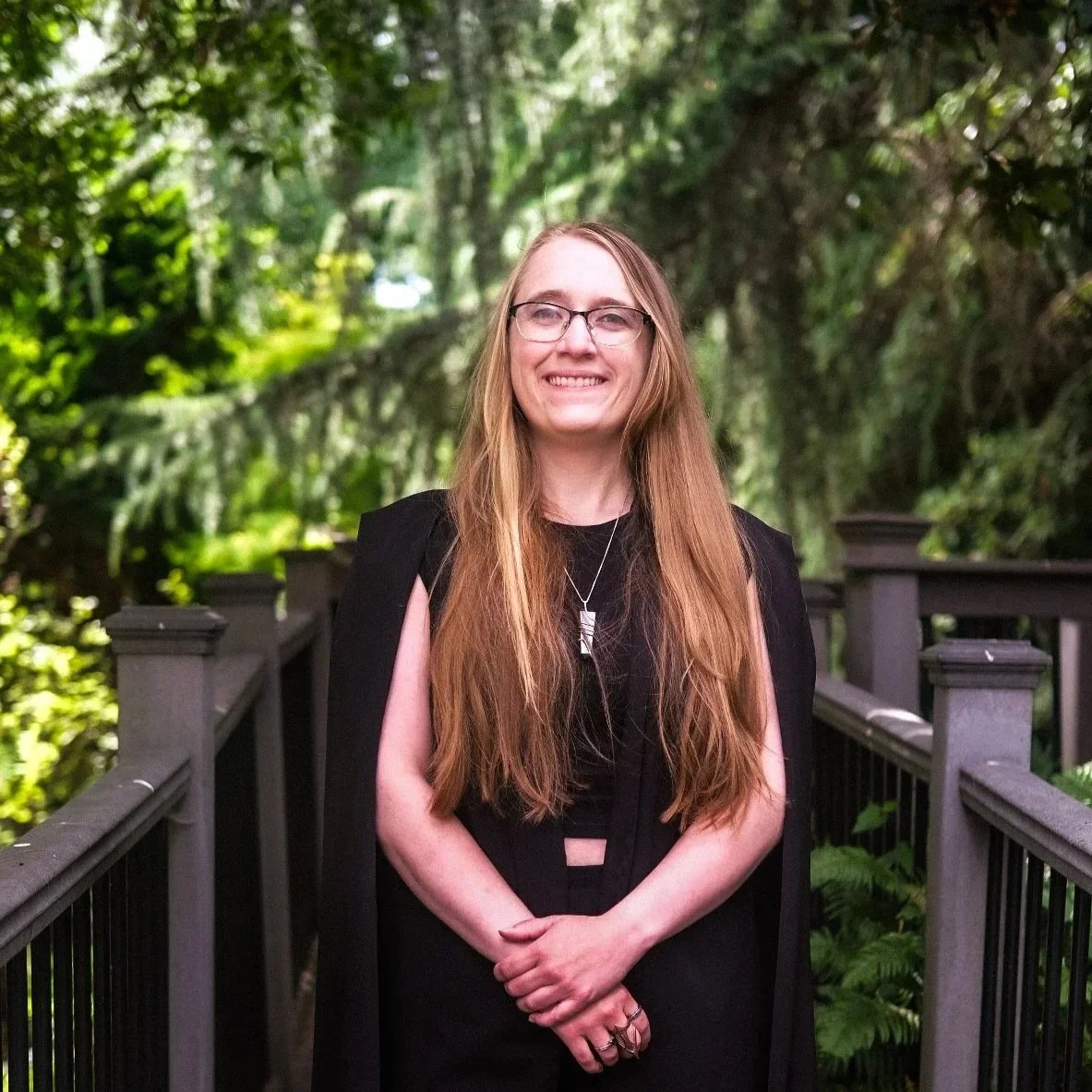
Akrasia (Sparkle Baby) in Seattle Vice
John Cornicello / Courtesy of Mark Siano
Any Seattlites who have taken a tour of the underground remains of our original city know of the lucrative sex work industry which laid the financial foundation of what the city would one day become. Brothel Madams and f.k.a. prostitutes, rumored to have been called “seamstresses” for legal reasons, flocked to the budding downtown filled with young men in the whaling and logging industries to build their fortunes. Due to a significant population disparity between men and women settlers, the sex industry flourished.
One of the most famous Madams, Lou Graham, owned a bordello in the Tenderloin District in what is now Pioneer Square. She paid her girls well and hired diversely. After the Great Fire of 1889, she was one of the first to break ground and rebuild. Additionally, she raised funds to rescue the city and many of its great families from the ruin it faced.
Nearly a century later, the sex industry in Seattle, while still lucrative, changed drastically. Instead of bordellos and open prostitution (though they still existed in secrecy—just ask Rose Marie Williams), strip clubs and burlesque houses reigned the night.
Seattle Vice, a burlesque musical written by two of the boldest local creators, Opal Peachey and Mark Siano, sets its stage in the height of this era, when strip club magnate Frank Colacurcio returned to the business after a stint in prison on McNeil Island.
It's the 1970s, and the Triple Door’s regal theater and lounge space establishes the perfect environment for the story at hand. The curtain lifts, and an upbeat, groovy opening number sweeps through the space, inundating the audience with the carefree motto of the decade, “Finally, we can do what we want.”
Peachey and Siano adapted the show from the book of the same title, Seattle Vice: Strippers, Prostitution, Dirty Money, and Crooked Cops in the Emerald City by local journalist Rick Anderson. By that title alone, one can presume rightly that the story dives into the seedy, the raunchy, and the seductive avenues of Seattle history. Laced with comedic bawdy one-liners and stuffed with local humor, Seattle Vice maintains a lighthearted feel while bringing serious issues like feminine autonomy and equal rights centerstage. Alongside its feminist declarations, the show also vouched for and represented body positivity and gender inclusion within the sex industry.
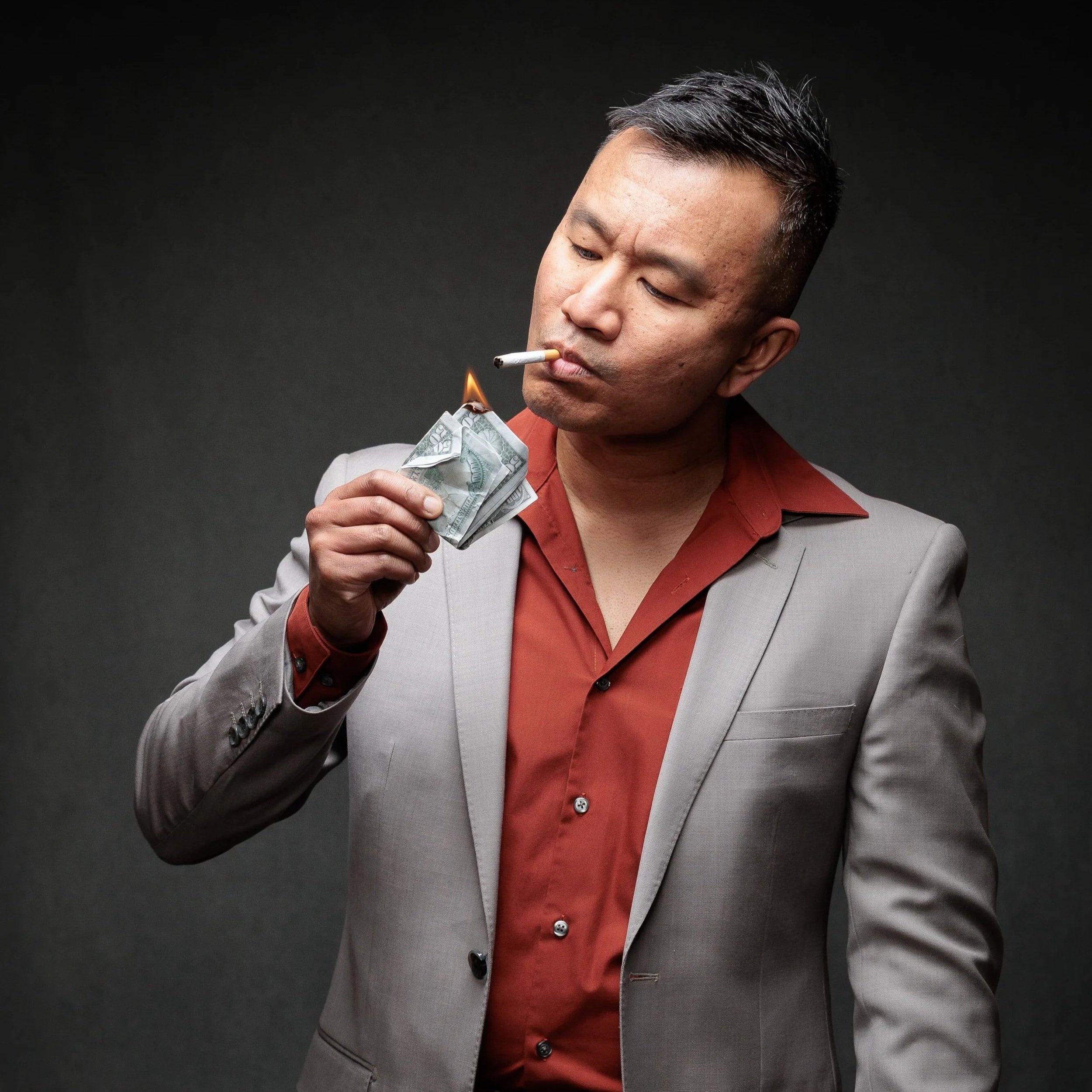
Ray Tagavilla as Frank Colacurcio
John Cornicello / Courtesy of Mark Siano
The narrative follows two main characters: Gil Conte (played by Mark Siano), a powerhouse vocalist who acts as guide through the three clubs featured in the play, and Rose Marie Williams (played by Opal Peachey), a madam who (perhaps fictitiously) shepherds the sex workers away from Frank’s abuses and manipulations and gives them a place to take control of their autonomy, earnings, and clientele.
Through a wondrous fusion of genres and performance mediums, Seattle Vice provides a well-rounded theatrical experience that educates, entertains, and amazes. It proves that a large cast, a bit of boundary pushing, and bold creative visions can succeed in the trying times of the current artistic era.
The stellar cast showcased some of Seattle’s greatest talents. Nox Falls (Foxy Noxy) set the mood of the show with a risqué strip performance, confidently and swiftly baring herself to full nudity. Effie DuBois (Jezebelle) followed soon after with an absolute mastery of the art of the tease, revealing just enough to entrance the audience until at last she was ready to reveal more. Maggie Nation (Tawni) presented a skillful pole performance, showing off her long, elegant lines, and Oroki (Azrael) gave a stunning straps performance that oozed strength and sensuality. Most notable of the performers were Akrasia (Sparkle Baby) with her magnificent skill and artistry on the lyra and Meg Austin (Pixie) with her incredible athleticism in pole and contortionism. Accompanying these performances were wonderful vocals from various cast members and a band which provided a lively energy and authenticity throughout the production.
The performance as a whole took some time to find its footing in act one, but by act two, it stood strong in what it was, seamlessly blending the elements of music, acting, circus, and burlesque into an engaging and thrilling production.
Seattle Vice has taken the stage three times before, each time a little different. In its original form, the narrative progressed through the sixties, when society began to crack into its wilder desires. This time, though, Peachey and Siano placed the narrative in the seventies. “We liked exploring the ‘70s in particular,” said Mark Siano when interviewed, “because this is where the clubs started to spiral out of Frank’s control and started to take on a life of their own. We saw the emergence of Burlesque, Cabaret, Follies, and more Queer-oriented entertainment like what was happening at The New Paris Theatre in Pioneer Square (Seattle’s original gay neighborhood.)”
While they don’t intend to bring it back next year, Siano has assured that the journey of Seattle Vice isn’t over. “The idea was always to do a trilogy,” he said. “One ‘60s show, one ‘70s show, and then an ‘80s show to close it out.” I, for one, can’t wait to see what comes of it.