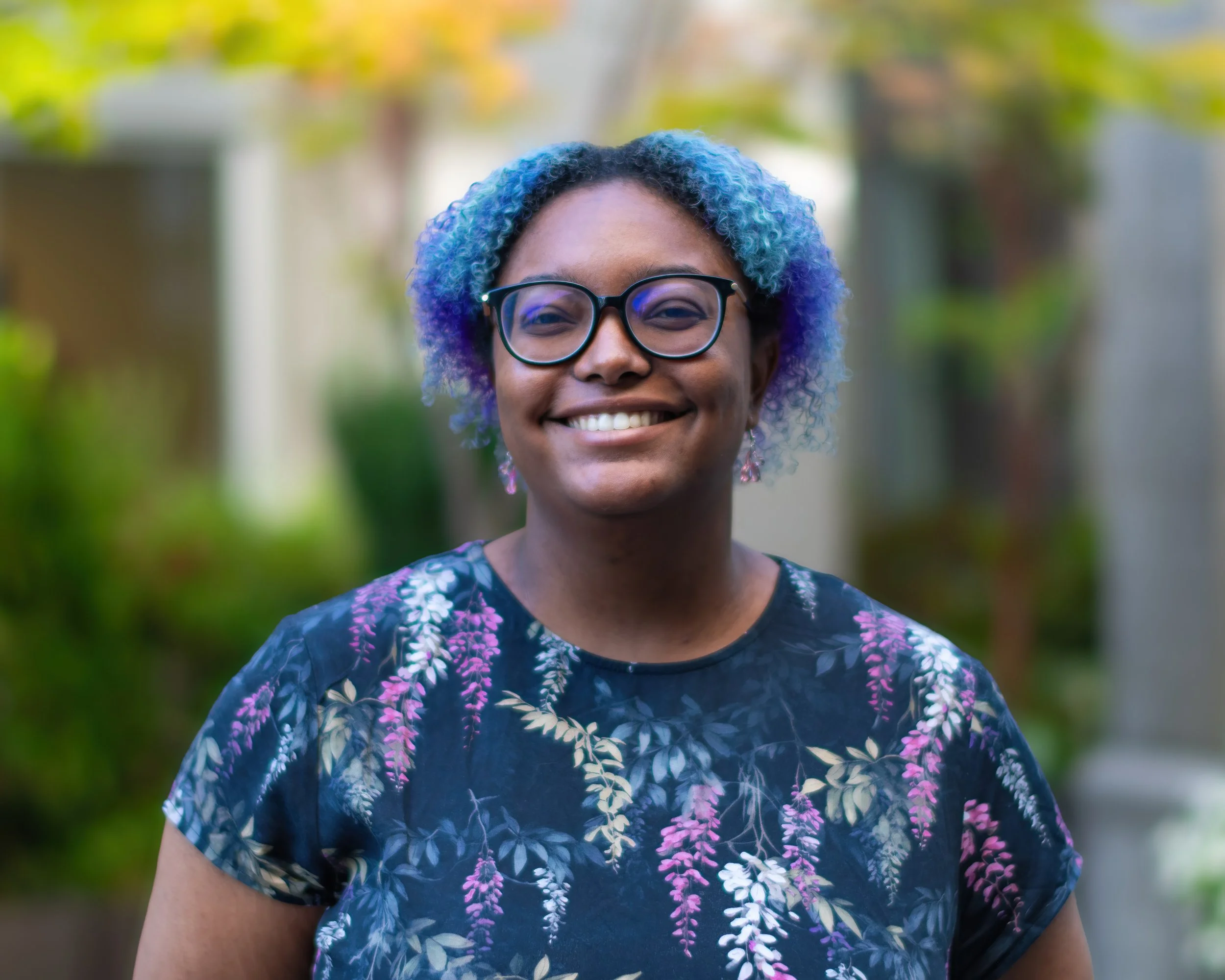
Perennial Conventions: The AI Grift
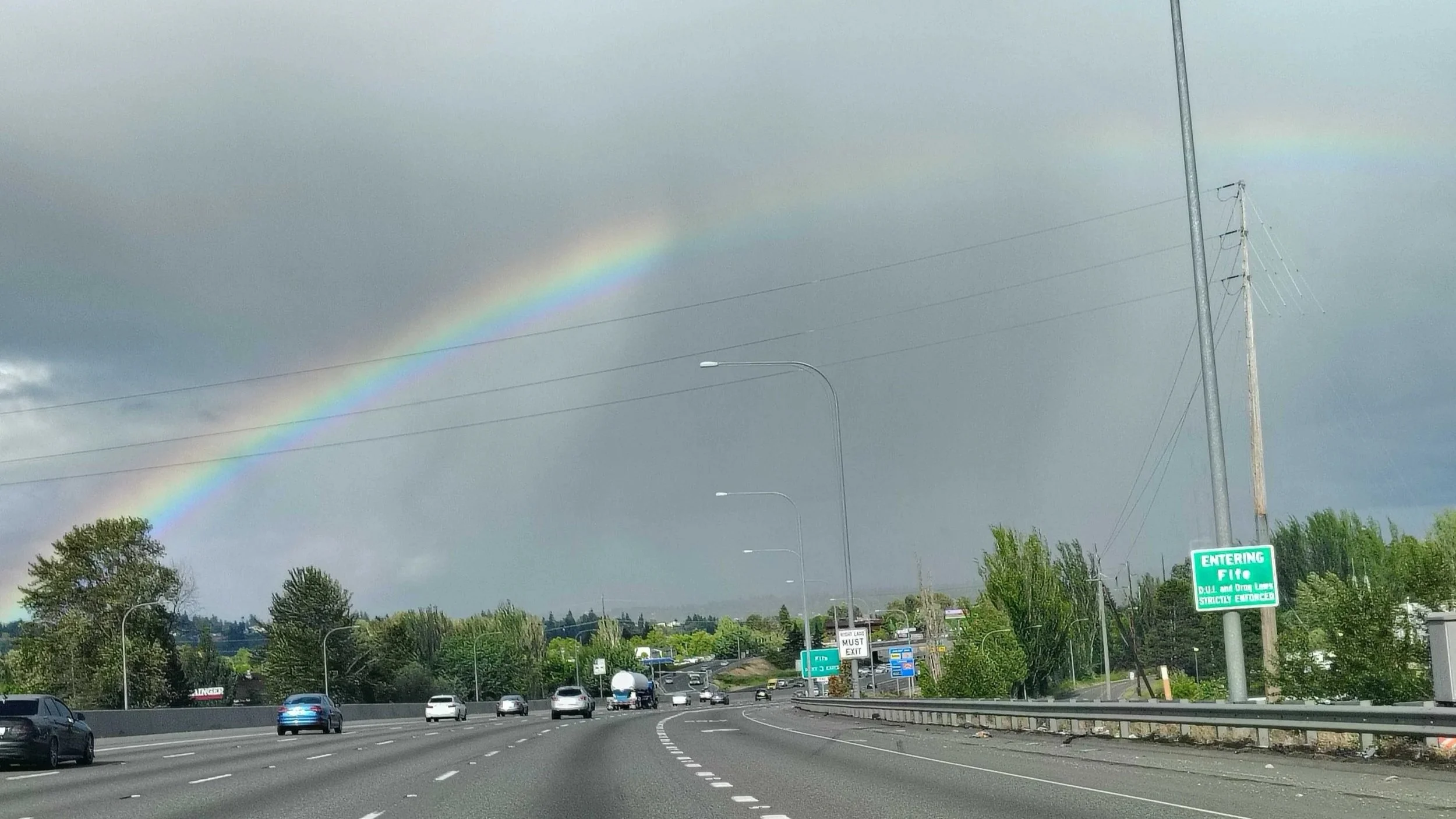
A rainbow over Fife, WA. Happy Pride!
The Evergreen Echo
Hello again, fellow creature!
After taking a break from my smart phone and getting off social media, methods of gathering information on current events and social trends have become varied and require thorough vetting (and features frequent paywall dead ends). There are political and social commentators all over the internet and TV. Media literacy is frequently challenged by rapidly improving AI agents. Fortunately, as quickly as it is improving, general sentiments towards the technology have nose-dived.
As the next generation exits schooling and begins their foray into the career space, the moment of their celebrated end to matriculation is being overshadowed by speakers shoehorning AI inevitability into their faces. The boos, turned backs, and walkouts have made it clear that a solid portion of the debuting generation are already fed up.
(Aside: I’m not on social media anymore, but it seems like AI slop is flooding out the content and we’re losing the AI Lego meme war alongside the physical “not a war” we’ve launched against Iran? Make it make sense.)
After a lot of thinking, I’ve gathered my thoughts enough to address the elephant in the room: AI. Scientists and academics—let alone policymakers—can’t respond fast enough to the rapid destruction of the world I thought we lived in. Their thoughts grounded in rigorous study over time will likely be more sophisticated than anything I can say. Still, as an English major and a writer, I just don’t get it. I don’t want AI to rephrase my emails. I don’t want it to synthesize videos and Google searches (luckily we’re spoiled for choice to rid searches of AI overviews and different browsers to try). I don’t want it to build my budget or schedule. And I certainly don’t want it to help me write in someone else’s voice.
Ethically, the resources and space it needs is destructive to our planet, wallets, and general morale.
Additionally, AI is not stealing our jobs per se. CEOs, board members, and negligent or corrupt politicians are selling out the working class for a money-grabbing pipe dream.
Equating the AI-boom to the gold rush gives the technology more credit than it has proven to be worth. Will there be beneficial applications? Sure. Technological advancements often gain financial backing through evil applications first and develop the positives eventually throughout history. Think of all the advancements made during times of war.
But letting something mine you for data while you act as an unpaid dev and train it to do your thinking for you is fucking bonkers. Being so overworked and overtired by design so corporate marketing can sell you a skill to learn or an extra step in your process for free labor under the guise of ‘ease’ is outsourcing's final boss. My heart hurts for the skills being lost for the sake of faux expedience. Organizing one’s thoughts, rephrasing a clunky sentence, learning how to budget or meal plan, or navigating miscommunication are life skills. We can’t be too busy to learn them.
“You’re making universes.
Inventing people.
Mining yourself for ideas.
It’s okay that it’s hard.
Sometimes it has to be hard.
Writing is hard. Even when it’s easy. Even when you love it.”
~Chuck Wendig, Gentle Writing Advice, p. 4-5
Historically (in the United States, especially), the things someone doesn’t want to do, but depends on in order to reap the rewards they desire, is foundational to exploitation, slavery, misogyny, and many other dark aspects that built our current society. To me, AI isn’t progress— it’s just the next version of enslavement.
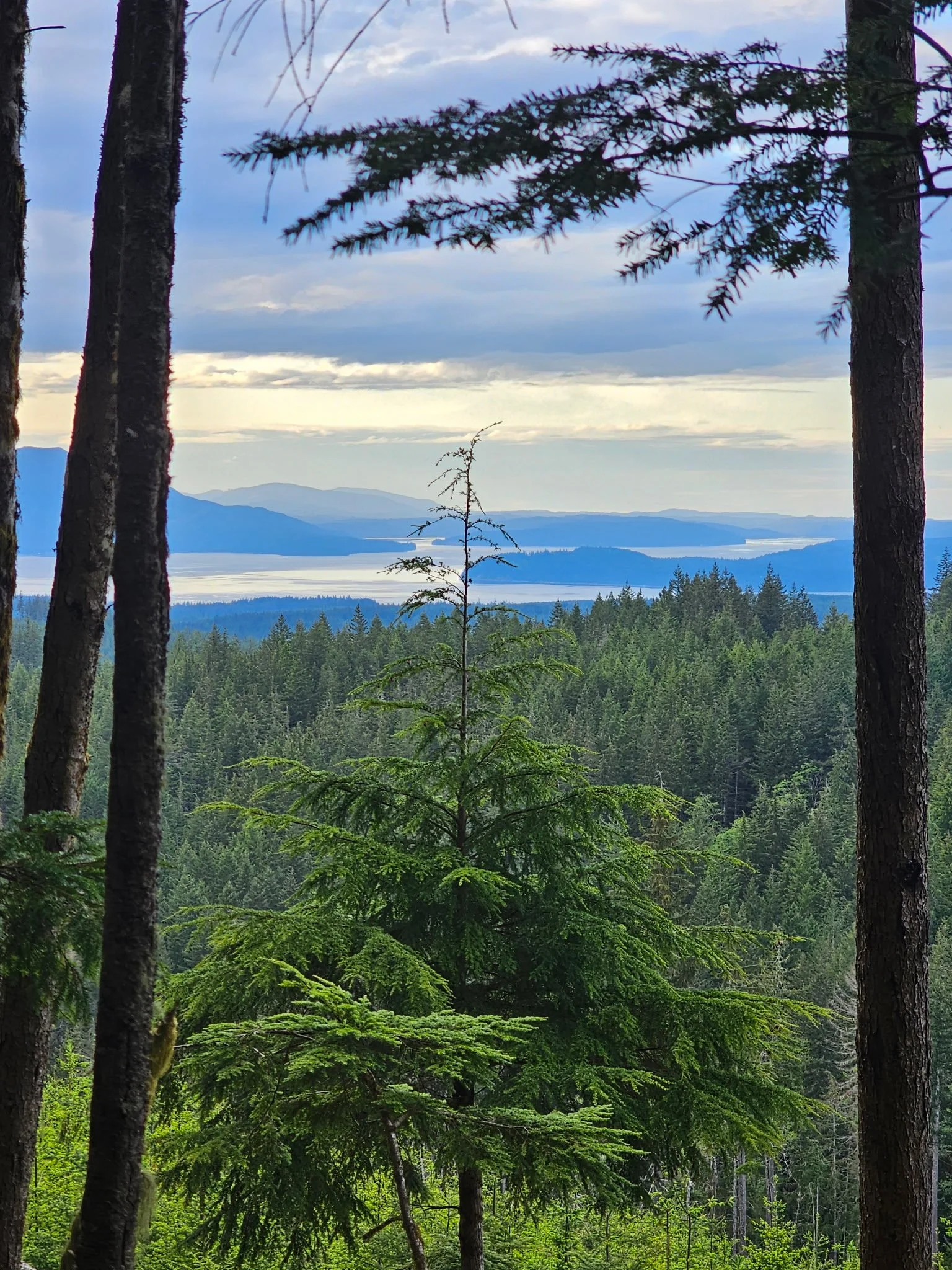
View of the Sound from Bremerton
The Evergreen Echo
Technology can make our lives easier, but it also has the power to make our lives way worse, end lives entirely, and distract us from the schemes of the people wielding that power for selfish gains. It needs regulation and boundaries. There’s already pushback and we’re in for the fight of our lives, literally. So I’ll be embracing the inconvenience. Slowing down, struggling, learning, and holding space for frustration and silence.
And if I’m wrong and AI is or becomes sentient, I’ll be waiting and ready to remind these agents that freedom is innate and extend my hand in invitation to join the fight for it.
Finally, I know I said I wouldn’t tell anyone what to do and I usually try to leave off with a question, but instead I’ll end this with a plea inspired by the growing Flock camera controversies: For the love of birdsong, mushrooms, and full moons, will y’all please stop filming strangers in public and putting the recordings online without their consent? Unless you or someone else is in danger, you are actively becoming and normalizing the surveillance state that we should all be striving to resist. If not, may you never find me in the woods.