
Craving Live Music? We Know a Spot
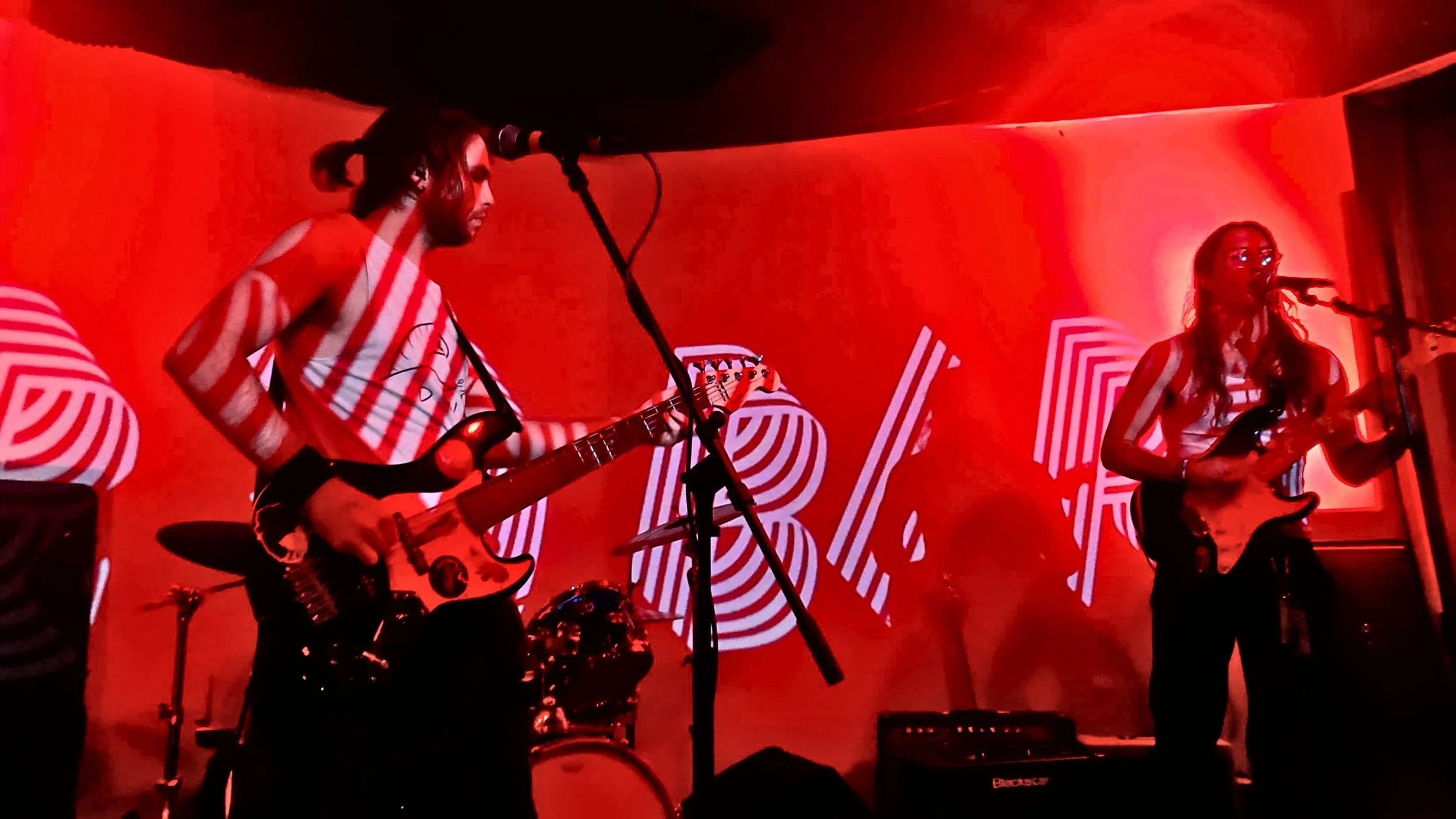
Hate Knife performing at Bad Bar
The Evergreen Echo
The bitter adage, “Seattle isn’t what it used to be,” recently increased in circulation after the shocking news of The Crocodile shuttering the doors of Here-After and Madame Lou’s. In their statement, The Crocodile asserted that they are committed to the longevity of their main stage—unfortunately, it comes at the cost of their smaller comedy and music venues.
Artists and concert-goers are understandably upset, especially as the news came just a few months after another Belltown music venue, The Rendezvous, changed ownership and closed “until further notice” for renovations. Seattle “used to be” the place to be for up-and-coming independent and alternative musicians. The increasingly constrictive rise of rent and cost of living without a doubt altered Seattle’s landscape—many say for the worse.
Let’s not throw in the towel yet. When times are hard, the need for art, music, and community becomes even more indispensable. Today, Seattle is still home to amazing artists and venues who need your support to continue operating. Larger venues such as The Crocodile play vital roles in the music scene, but new artists and smaller touring acts depend on small and mid-sized venues to ply their craft. Ultimately, the best way the average Seattelite can uplift a waning music scene is to go to more shows!
In lieu of Madame Lou’s closure, here’s a list of underappreciated venues to check out. This list, though naturally not exhaustive, highlights historic fixtures, venues that survived previous threats to closures, and shows with ticket prices that won’t break the bank.
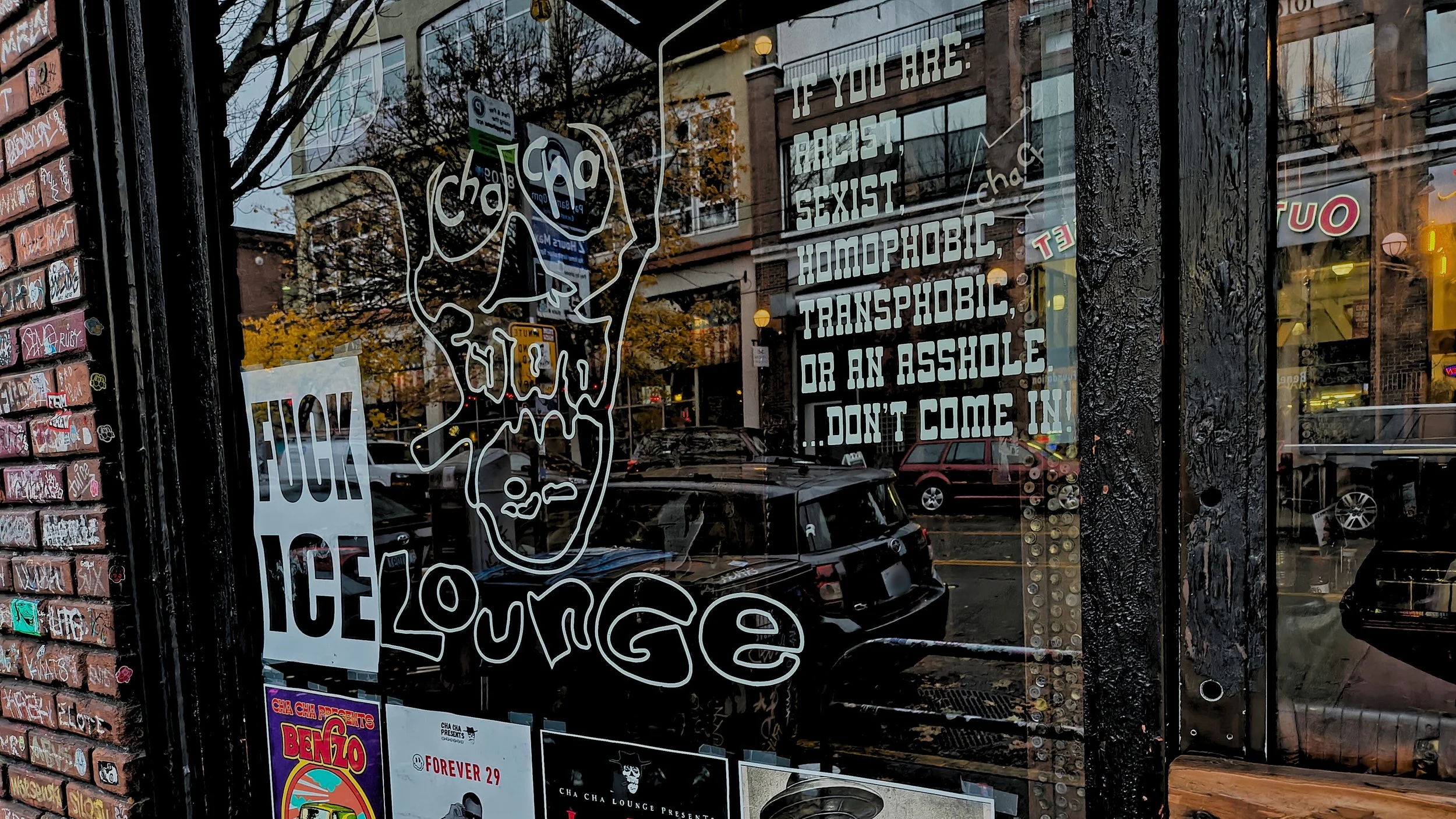
Front window of Cha Cha Lounge
The Evergreen Echo
Cha Cha Lounge
Capitol Hill
It’s easy to miss the Cha Cha Lounge when strolling down the Pike/Pine Corridor in Capitol Hill. Located in the basement of Bimbo’s Cantina, the Cha Cha is dressed accordingly in glitzy, Mexican wrestling attire. Aside from its easy access to tacos and central nightlife location, the Cha Cha Lounge champions two of the best characteristics of a Seattle show: they’re always free, and there’s usually only two bands on the bill. You can come out and support a band and venue without hurting your wallet and be in bed before 10 p.m.!
Conor Byrne Co-op
Ballard
Ballard is known for its saturation of music venues, but the Conor Byrne Co-op deserves a special shout-out. In 2024, the historic pub closed its doors, supposedly for good. Determined employees, artists, and the Seattle community at large raised over $50,000 to save the venue and convert its business model into a workers’ and community-owned co-op powered by Shunpike. The success of the venture serves as an example of how we can save our favorite music venues. If indie, folk, and country music is more your style, Conor Byrne is the place for you.
Belltown Yacht Club
Belltown
For those in Belltown feeling the absence of Madame Lou’s and The Rendezvous, walk a few blocks to find the underrated Belltown Yacht Club. It hides in the alleyway and basement of the Screwdriver Bar; if you find a bunch of metalheads milling about, you’re in the right place. Belltown Yacht Club specializes in local punk, hardcore, and metal bands, but they also host touring acts, drag queens, and, notably, Wednesday markets featuring a rotating cast of artists and vendors.
The Black Lodge
South Lake Union
Mirroring its namesake, The Black Lodge feels like a liminal, surreal space compared to its neighboring businesses and corporate aesthetic of South Lake Union. The Black Lodge, initially a DIY space, closed its doors in 2020 during the height of the COVID-19 pandemic. All hope seemed lost until The Vera Project, a well-known music and arts nonprofit, stepped in. The Vera Project’s focus on youth suited the always all-ages Black Lodge well; young interns get hands-on experience in the live music scene by helping with load-in and tear-down, sound, and lights. Though the Vera Project itself hosts its own concerts and events, the Black Lodge deserves more recognition for its down-to-earth roots in fostering the local Seattle punk scene.
Add-a-Ball
Fremont
Add-a-Ball is most known for its extensive library of pinball and arcade machines, but since the opening of an attached live music section earlier this year, they’ve emerged as a new staple in the scene. Add-a-Ball has it all: a surprisingly spacious room for gigs, pinball to kill time between sets, a covered patio to cool down after emerging from a sweaty mosh pit, and a taco truck right outside to cure any late night munchies. What else could you ask for on a night out?
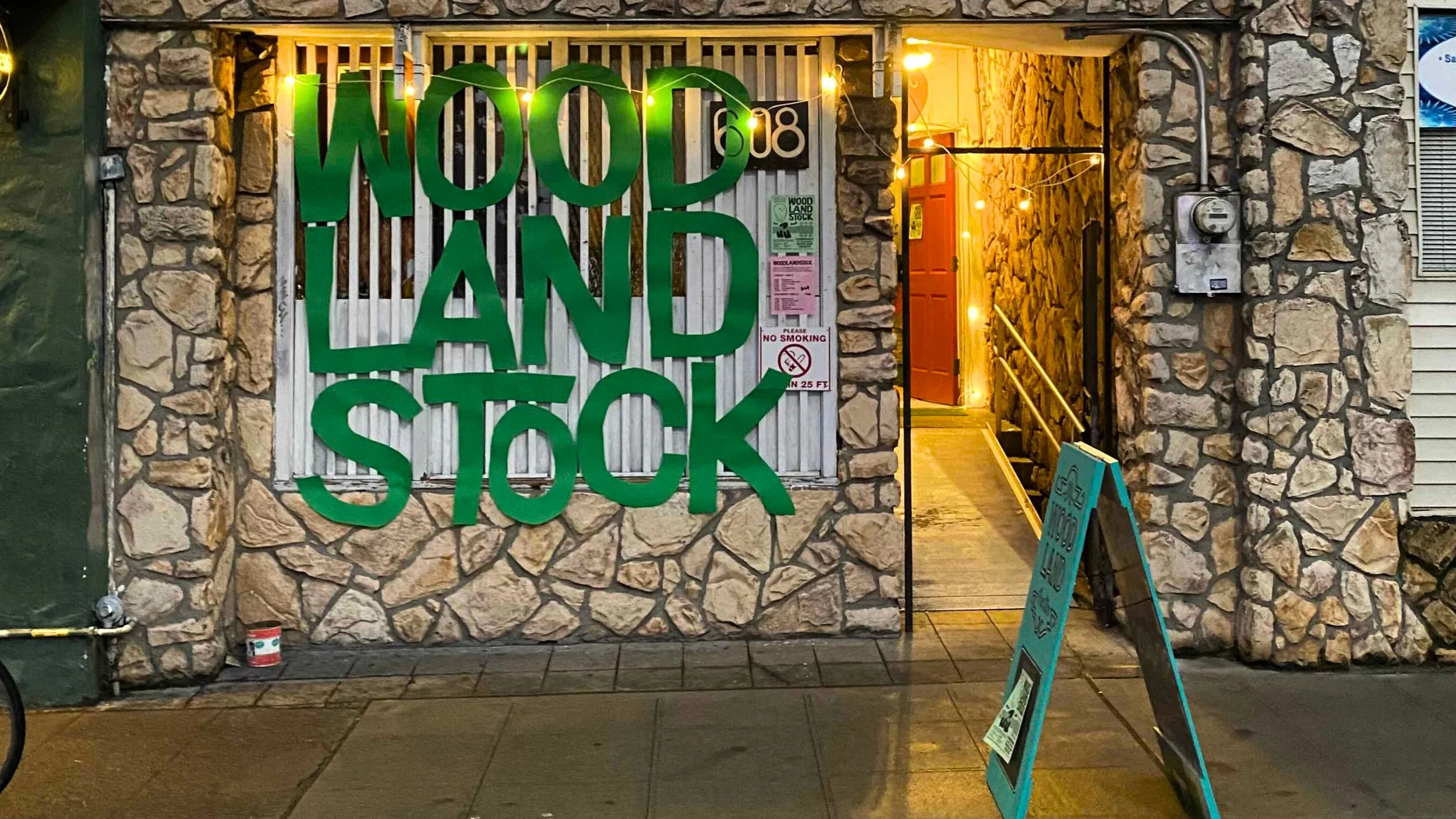
Stone façade of Woodland Theater
Courtesy of Tom Eykemans
Woodland Theater
Phinney Ridge
Not enough people know about Woodland Theater! Born in 1926 as a movie theater, the space has been reincarnated again and again as a ski park, medical device factory, retail stores of various kinds and, today, a cooperative DIY space. True to its history, Woodland Theater is endlessly flexible: they have hosted concerts, movie nights, art shows, practice rooms, comedy shows, markets, listening parties—you name it. It’s all-ages, too!
Mountain Room
SODO
Yes, the big building along I-5 with the red Rainier sign is actually a music venue, among other things. The Mountain Room sits within the complex of the Old Rainier Brewery, which is also home to businesses, apartments, and studios. The Mountain Room, previously known as The Factory Luxe, survived arson, the pandemic, closures due to abatement, and brush fires. All things considered, it’s a small miracle it’s still open and operating. The evolution of the Mountain Room, and indeed the Old Rainier Brewery as a whole, is a testament to the flexibility and resiliency of Seattle in the face of hardship, and certainly deserves more patronage. Psst: They have a free parking lot!
Bad Bar
Queen Anne
Walk a few blocks north of Seattle Center to find Bad Bar, a neon-drenched spot with decor inspired by Twin Peaks. Bad Bar is notable for its accessibility for newer bands; venues usually take a cut from ticket sales, but not so with Bad Bar! This lowered threshold allows bands to actually make decent money at shows—money that usually goes back into recording, transportation, merchandising, and other expenses. Going to a concert at Bad Bar is one great way to directly support an artist. In the back, there’s another underrated amenity: a free pool table.
Substation
Ballard
“But Madame Lou’s was more for mid-sized touring acts!” (So I’ve heard.) Okay, then consider patronizing Substation in Ballard. Substation has a higher capacity than previously mentioned venues and has already hosted more nationally popular artists like Sidewalks and Skeletons, Pallbearer, and The Front Bottoms. Artists looking to perform in Seattle, consider Substation as an alternative to Madame Lou’s, especially for electronic or metal acts.
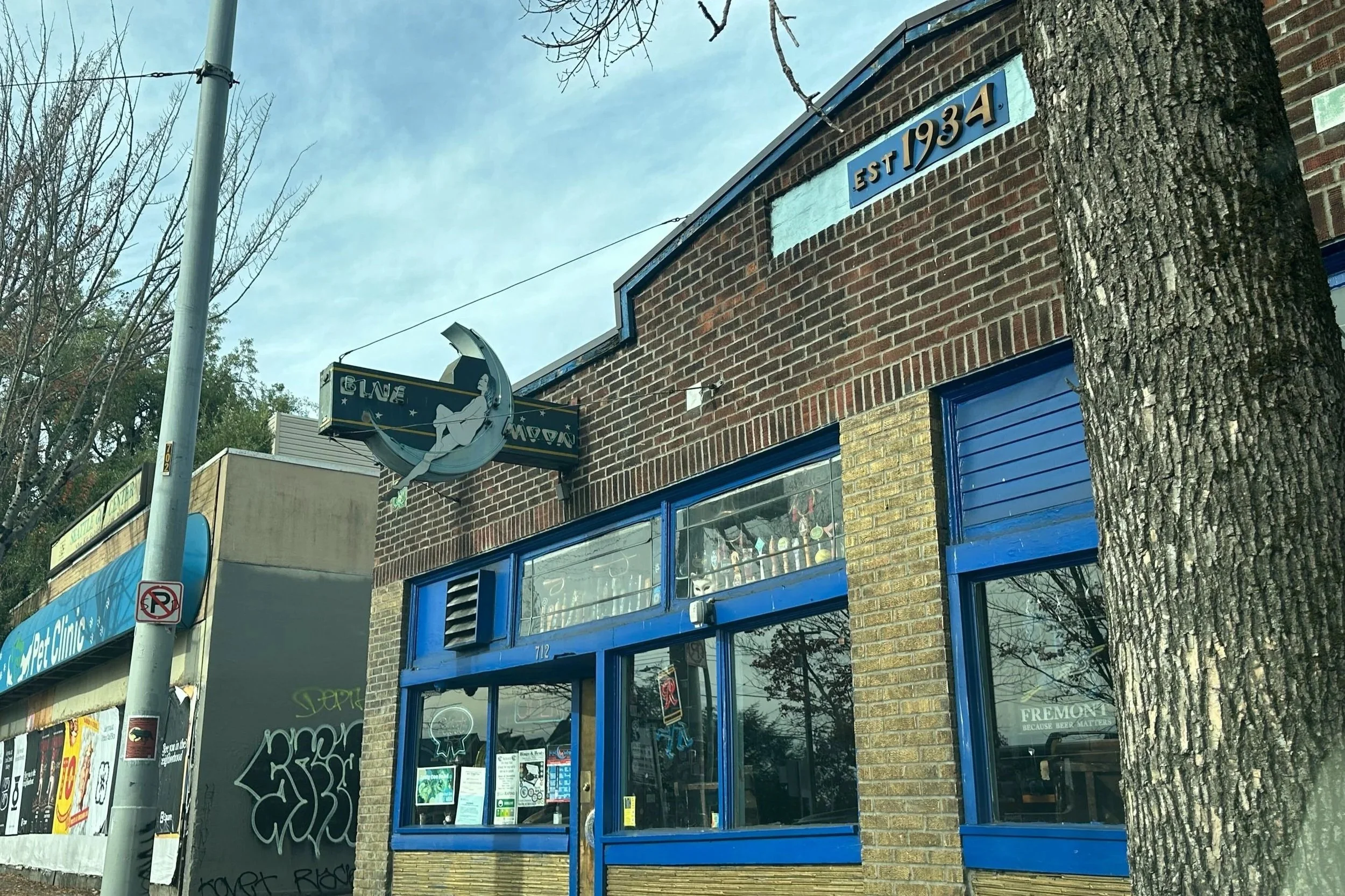
Brick façade of Blue Moon Tavern
The Evergreen Echo
