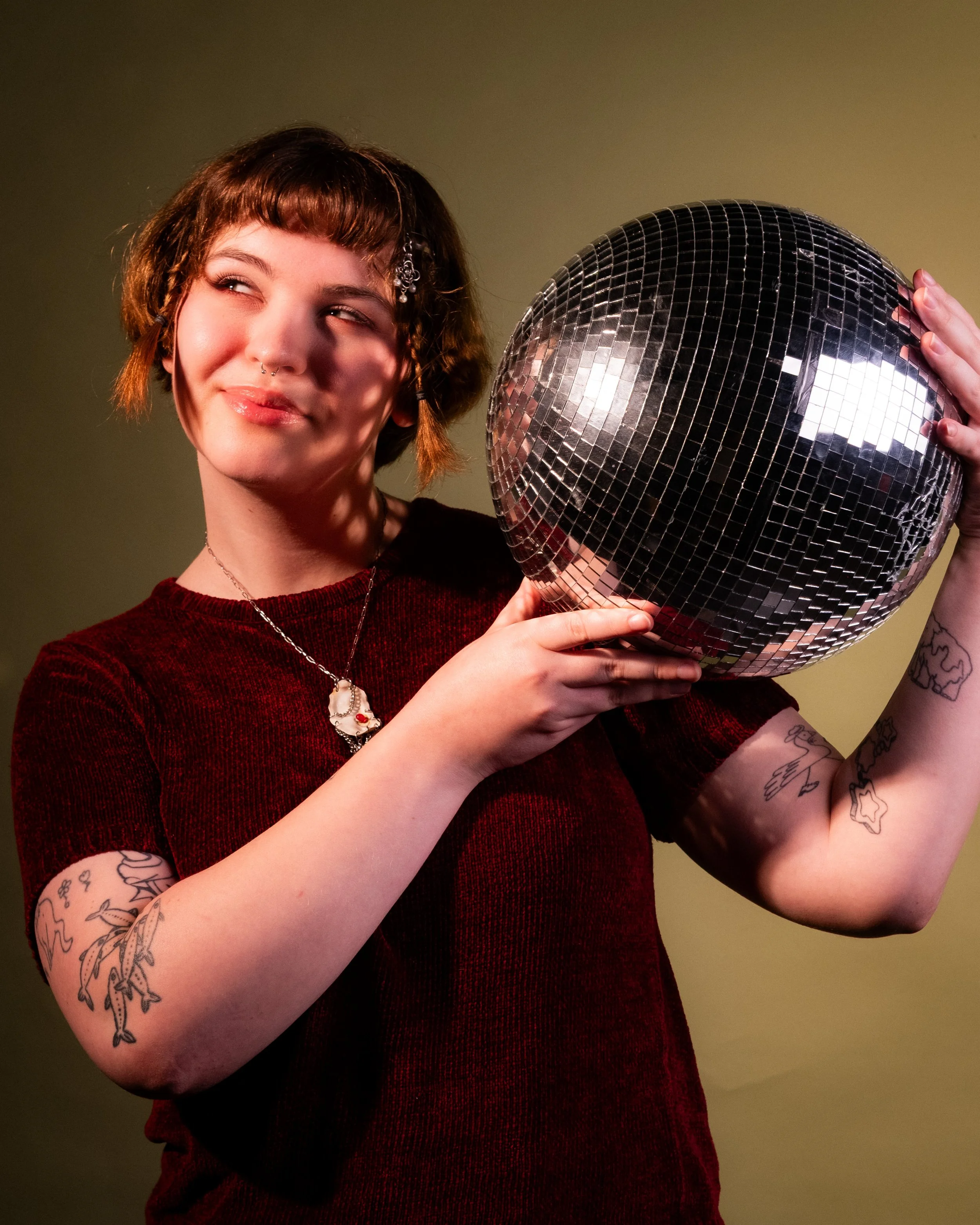
Queer Up-and-Comer Alise Garcia Chats Lezztalkaboutit’s Accessible Events
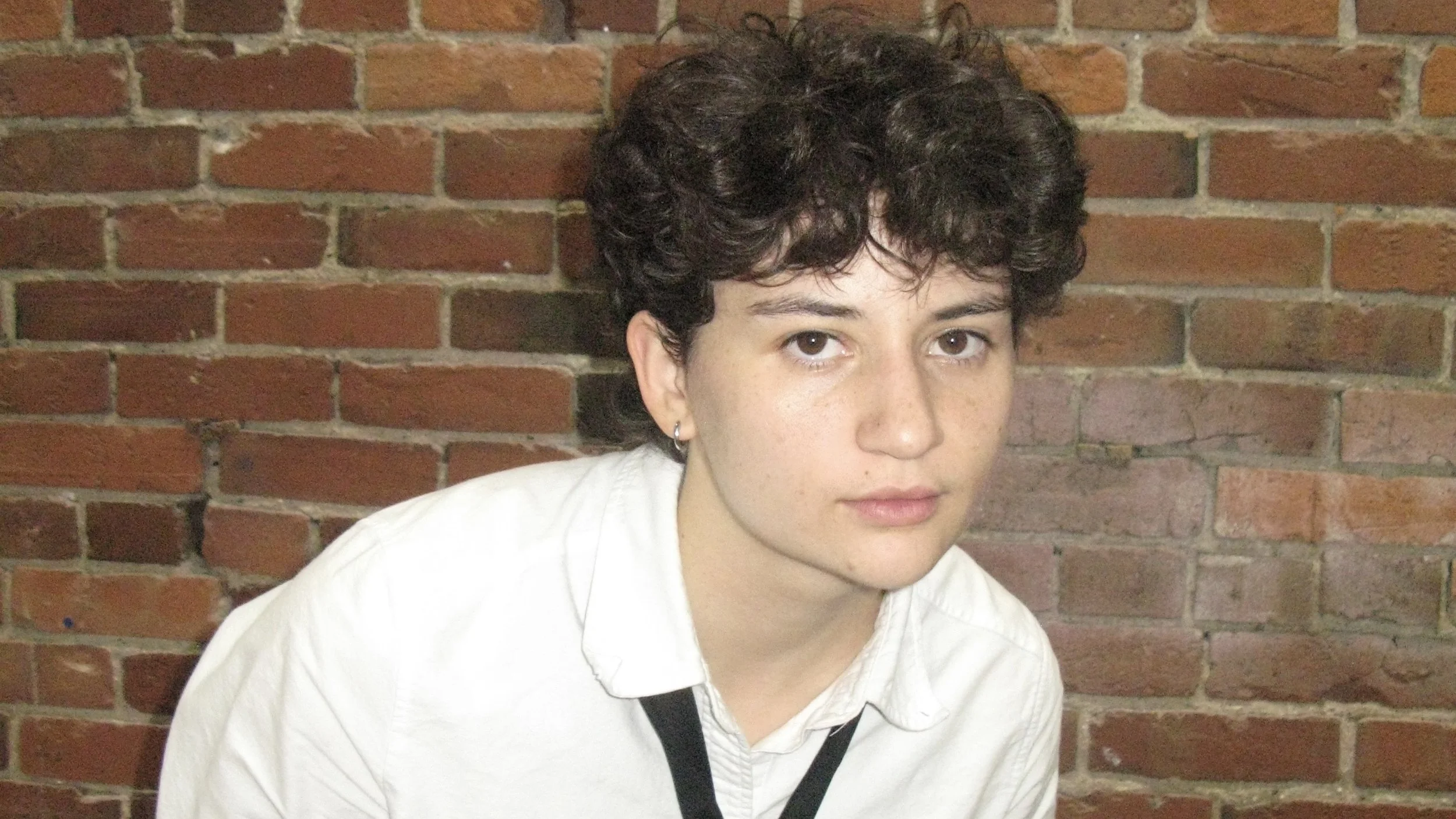
Alise Garcia
Courtesy of Alise Garcia
Back in November, I had the privilege of covering the Performative Femme Contest hosted by Alise Garcia (she/her) of Lezztalkaboutit. It was a stunning display of Queer community. Recently, Alise and I met up for coffee to discuss the purpose of Lezztalkaboutit and what she has in store for the future. We also discussed the importance of community and what it takes to build one.
Vera McLaughlin (VM): What was the inspiration behind starting Lezztalkaboutit?
Alise Garcia (AG): When I moved to New York from Seattle, I had such a community automatically. I was like, oh my god, I have so many different friends. I have so many different places I can be. Then I realized, coming back, I had nobody to hang out with that was lesbian, sapphic, Queer. I was so out of the loop. I started making videos and it blew up for some reason. It reached the part of Seattle that I wanted it to reach, and I was like, okay, let’s meet up. Let’s do this. And so I had the lezz picnic, [which] was the first ever event I did, and it was crazy. It was 30, 40 people, and I was like, whoa, this is a community that wants to get along and be together.
In New York it was so easy to find my footing and make friends. I had a basketball lesbian league. I had a soccer lesbian league. I had so many different things I could do, and then here I was screwed. I had nothing to do, so that was kind of an inspiration. I grew up [in Seattle]. I grew up here when being gay was not cool. I guess it’s not cool now, and we still have our struggles, but I think Seattle was such a different place in the 2000s to late 2000s. Me dressing like a boy was such a thing for my family. I was constantly judged for having short hair. I was constantly judged for wearing boy’s clothes and all that stuff. It’s really interesting to see the switch-around of that.
VM: It’s so hard growing up without community. How does Lezztalkaboutit relate to your own identity and sense of community?
AG: Lezztalkaboutit was something that I wanted to do like two years ago when I was still mostly in Seattle. I was like, I want to make a run club. I want to do this, I want to do that. I want to have friends to hang out with. I just want to have a bigass group of people to hang out with. That was pretty much it. It has no identity to me, it’s just making people feel comfortable and safe. I think that’s the biggest thing. I felt so unsure of my community, and I was so unsafe in spaces that I think I should have been feeling safe in. I wanted to be that standpoint post, that people can rely on me and lean back.
The run club is the same group of people. I know everyone by name. It’s always the same group, and I love that. I mean, there’s definitely new people that come and go, but it’s always the same 10 to 15 people that show up and I love it so much. Same with the art things that I do. New people come, but there’s a big group of just the same people that kind of rotate. That’s so cool to me because it’s like, oh, you came and you made a piece of art at my event. That’s my purpose. That’s my passion is just making people happy.
VM: That’s awesome. How do you decide what kind of events to host?
AG: Whatever comes to mind. I honestly get inspiration from friends. I get inspiration from the heterosexual community doing it. When the hetero community does things, I think it’s so sick. I’m like, shit, let me make something for the gays, too. The performative male contest happened and I was like, there is such a niche community for performative mascs. And so I was like, you know what? I’m going to host this. And it was the first one ever, and it blew up. It was crazy.
My homie in New York, Emma (shout out Emma) did it in New York, and then San Francisco, and then Chapstick magazine, who I’ve worked with—they’re in L.A.—they did it. It was crazy. And it was just because I wanted to piss straight people off. The whole meaning behind that, doing the performative masc thing, was just to be like, fuck it, we can do this too. We have our own community. We have our own meaning to this. We’re the blueprint of this, we’ve always been here.
I want to do things that people haven’t done. I have the fight club happening, which people have done lesbian Queer fight clubs before, but I haven’t seen anything like that in Seattle, so I’m excited to put it together and see a bunch of lesbians get in the ring. That’ll be fun.
VM: I’m so excited for that. I’m going to try to make it. I also noticed that most of your events are free to low cost. What do you think the importance of that is?
AG: Accessibility. My purpose of doing these events is not to profit, and I think that’s where things get dicey. Everyone is very capitalistic with businesses and stuff. I mean, you have to make money, but my main job is not this. It’s doing other things. I work at a clothing shop most of the time, that’s where I get my money from. The low cost is really for accessibility. I want everyone to be able to come, even if they can’t afford to give me $5, whatever, just get a ticket, it’s fine. I want everyone to have fun. It’s not about profiting and I want to keep it that way.
VM: Yeah, that’s incredible. I really admire that. I feel like once people get popular, they’re like, okay, I can profit off of this. So it’s really admirable that you’re saying, no, this is for my community.
AG: I’m sticking to my ground, man. I’m sticking to my ground.
VM: Are there any other events you’ve wanted to host?
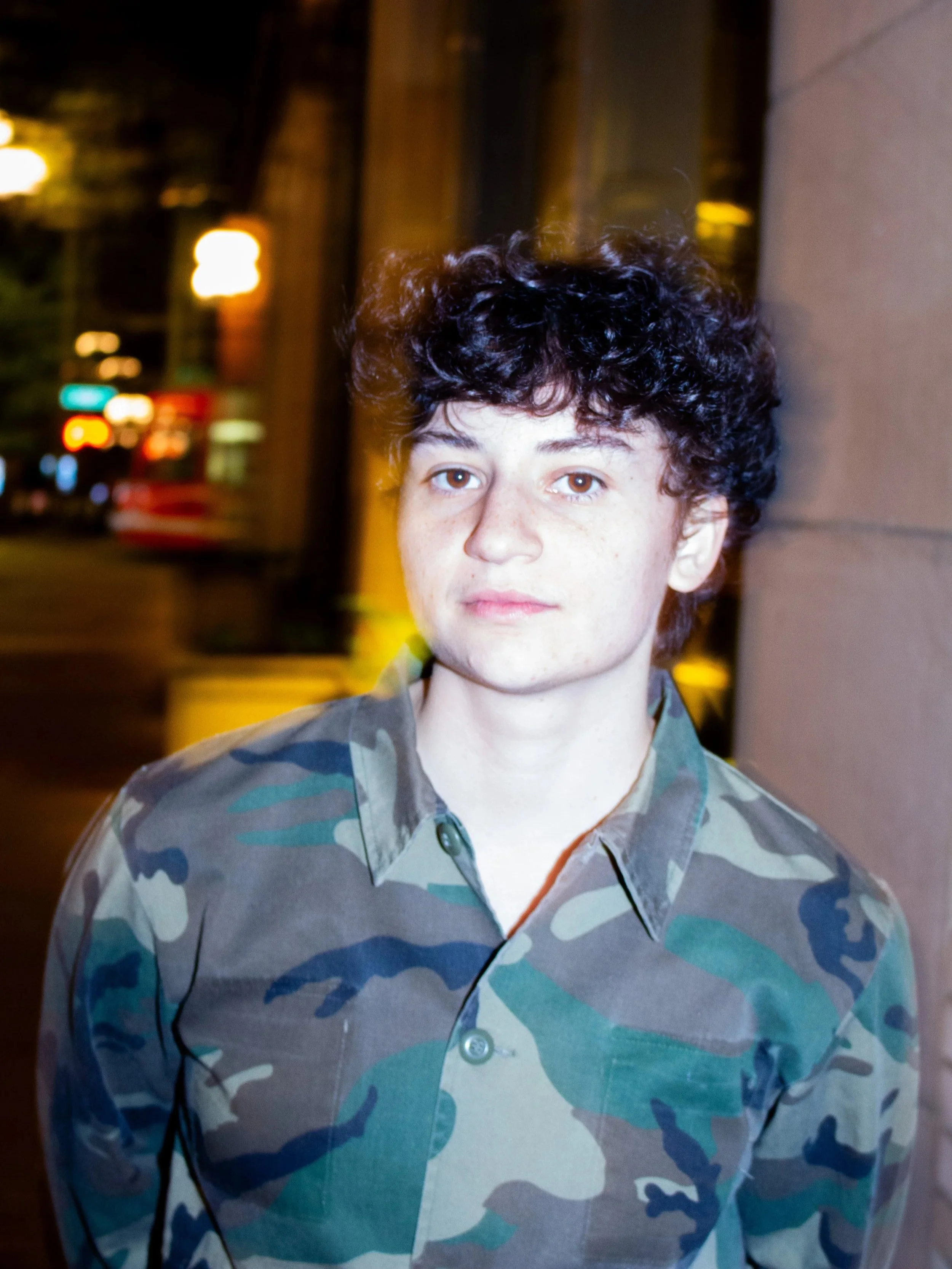
Garcia in fatigues
Courtesy of Alise Garcia
AG: Yeah, so many, laundry list. Oh my god. If I could just have a million dollars given to me, I would do crazy stuff. I would love to do a carnival—lesbian Queer carnival—love that, like, Cirque de Soleil shit. I love pole dancers and dancers that do stripping. I think it’s such a beautiful art, and it doesn’t always need to be sexual. I have a lot of people that were strippers or do pole dancing or do a different form of dance that come to my events and talk to me about job opportunities and it’s so hard because I can’t give it to them. I don’t know how. [With a] circus or a carnival, I could have them dance and do all that stuff I want to do. Give everyone a job, and I want it to not be sexualized. I think dance is so, so beautiful, and I would love to see that.
I stay away from dating shows. A lot of people have reached out to me to do a pitch your friend thing or a Bachelor thing. I just don’t like that stuff. It’s not really me. I don’t prioritize people finding their soulmate at my events. It’s cool, and I want you to find love at my events, but it’s not the point. The point is for community, not for you to pitch yourself.
VM: Totally. I feel like sometimes that can feel so inorganic too, versus just going for the community, and if you find love, you find love.
AG: Please. If you find your soulmate at my event, invite me to the wedding. Obviously, you owe that to me, but I don’t want to fabricate things. That’s not my goal here at all.
VM: How would you describe the community you’ve fostered?
AG: So loving and sweet. I’ve only done 15, 16 events now, which seems like a lot, but it’s really not. Every single person that I meet is so kind and sweet. There are obviously going to be a few people that might not be on their best behavior, but at that point, I could just remove them from the event, and it doesn’t affect everyone else in a way that would be negative.
Everyone that I’ve met has been so helpful and sweet. Every single time I do an art event, they’re helping me after it’s over, they're helping me clean up. They’re wonderful. Even at Cowgirls, which has been the newer thing that I’ve been doing on Wednesdays, it’s been so lovely being able to sit at the front door and shake people’s hands. Be like, oh, I’m the host, and this is what I do. And they’re all just saying thank you, and I’m so grateful for everyone that even spends a minute at my events.
VM: That’s so lovely. What would you say to someone who is having trouble finding community?
AG: Get out there. You have to. It’s scary. I do find it really terrifying to step out there and talk to new people. I mean, I’m obviously very crazy and confident, and will be talking to everyone, but that’s after training years and years of being out and seeing my dad do stuff that needed a lot of confidence. I was like, I could do that, but not everybody has that. Not everyone has the willpower to talk to new people, and I hope that I can make a space where people feel comfortable to do that. I would just say, take that leap.
Even if it sucks at the end of the night, you went out with new friends, and it was terrible – at least you did it. Those little instances make you feel more comfortable to talk to new people. I would just say, go for it. It’s easier said than done. Come to my small events. They’re not as scary as the big ones.
If you’re interested in getting out there and connecting with the lesbian and Queer community in Seattle, Alise’s next event is the Fight Night on January 11, 2026. Let’s keep building a strong Queer community, for ourselves and for each other.