

CHECK IT OUT
Start Reading
Archive
- September 2026 10
- August 2026 12
- July 2026 10
- June 2026 12
- May 2026 15
- April 2026 9
- March 2026 19
- February 2026 12
- January 2026 15
- December 2025 12
- November 2025 21
- October 2025 18
- September 2025 12
- August 2025 13
- July 2025 12
- June 2025 18
- May 2025 26
- April 2025 30
- March 2025 21
- February 2025 26
- January 2025 20
- December 2024 37
- November 2024 26
- October 2024 23
- September 2024 18
- August 2024 9
- July 2024 6
- June 2024 8
- May 2024 7
- April 2024 6
- March 2024 8
- February 2024 5
Parker’s Pages: Hollow Kingdom
There’s one thing you should know about me: I LOVE birds. Can’t get enough of ‘em. Which you can tell by my many articles that I’ve written and shared here at the Echo. So when I found this lovely little gem, narrated by a self-assured little crow named Shit Turd (S.T. for short), I was all in.
Parker’s Pages: Dungeon Crawler Carl
Like clockwork, whenever I share what I do here at the Echo, specifically with this column, I am told that I must read and review Dungeon Crawler Carl by Matt Dinniman, a Puget Sound native and fantasy and sci-fi novelist. I must admit, it was the title that most intrigued me. I’d certainly played my own dungeon crawler once or twice, and I liked that there seemed to be humor and absurdism baked right into the title. So, after a long wait, I’m happy to announce I have finally cracked open the first book of this 8-book series (with two more on the way), and I am obsessed.
Parker’s Pages: Project Hail Mary
Friends, please allow me to peel away from our Puget Sound authors to bring you my latest and greatest obsession: Project Hail Mary by Andy Weir. Unless you’ve been living under a rock—or the spring fever haze here in the PNW—you’ve probably heard about Project Hail Mary (2026), the newest addition to Ryan Gosling’s filmography, and, in my opinion, quite possibly the best space movie of the last decade (sorry Dune). The film adaptation is spectacular (I watched it three times in theaters), and I definitely recommend you check it out when it starts streaming if you didn’t have the pleasure of seeing it on its big screen run.
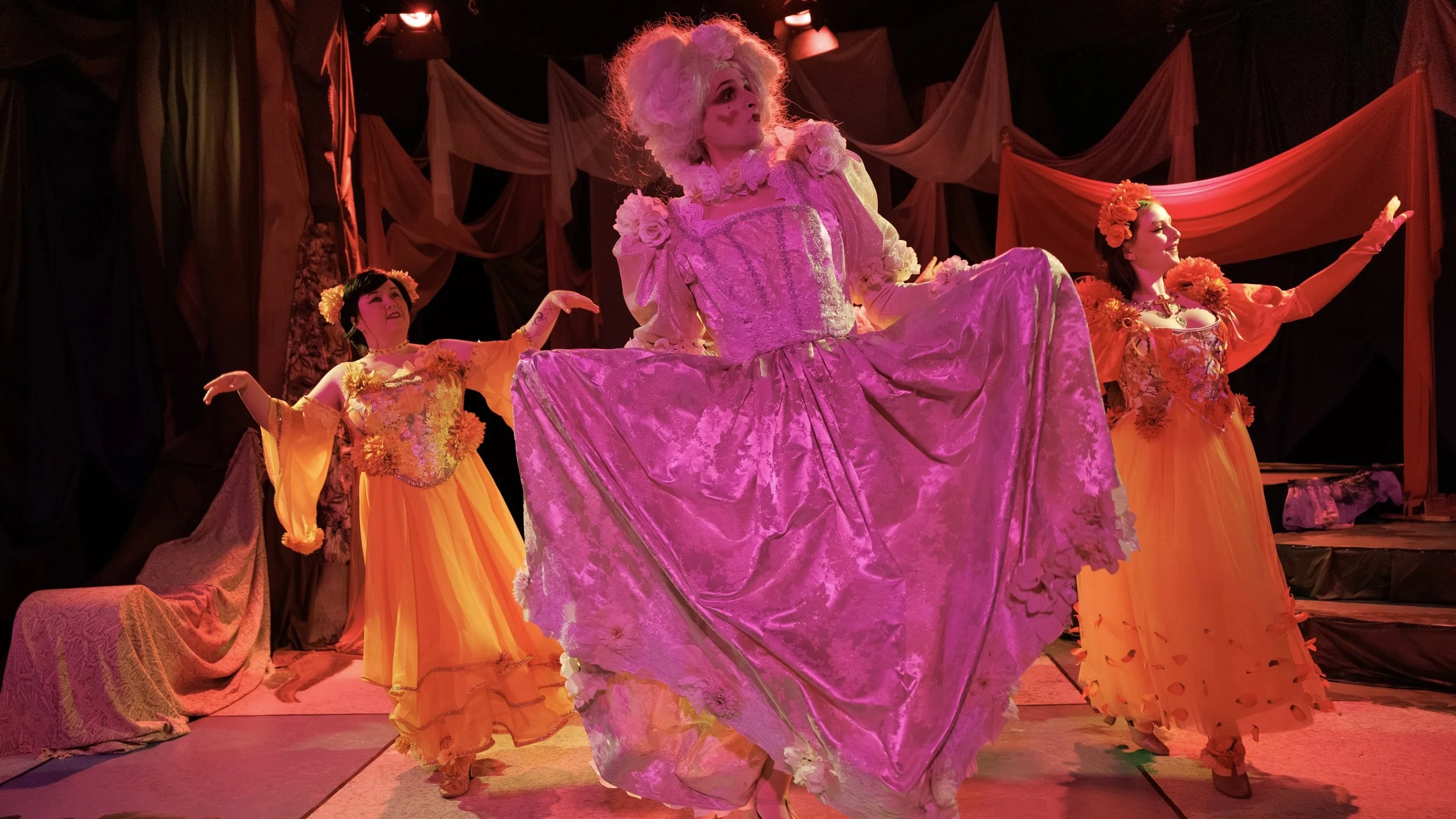
Noveltease Illustrates Our Splendidly Fluid Selves with ‘Orlando’
I was obviously intrigued when I heard that Noveltease Theatre, Seattle’s literary burlesque company who blend burlesque, dance, and theater storytelling, were putting on an adaptation of Orlando. I was curious how Noveltease would interpret this dense literary text into visual language and choreography. And yet, speaking with the production’s director, Alyza DelPan-Monley, it quickly became clear how intuitive it was to make a burlesque version of the story.
Parker’s Pages: Schrader’s Chord
Author Scott Leeds lives in the Pacific Northwest, and just like many of the other authors I have covered before, his work perfectly encapsulated what it feels like to live and be in Seattle and its neighboring cities. There’s a certain way that writers from the PNW write about the rain, the fog, and the dark. Leeds is no different, and effortlessly brings Seattle to life.
Parker’s Pages: A Future of Her Own
A Future of Her Own by Samantha Quamma is a delightful book that combines historical fiction, activism, and a kick-ass heroine to make something positively brilliant.
