

Featured
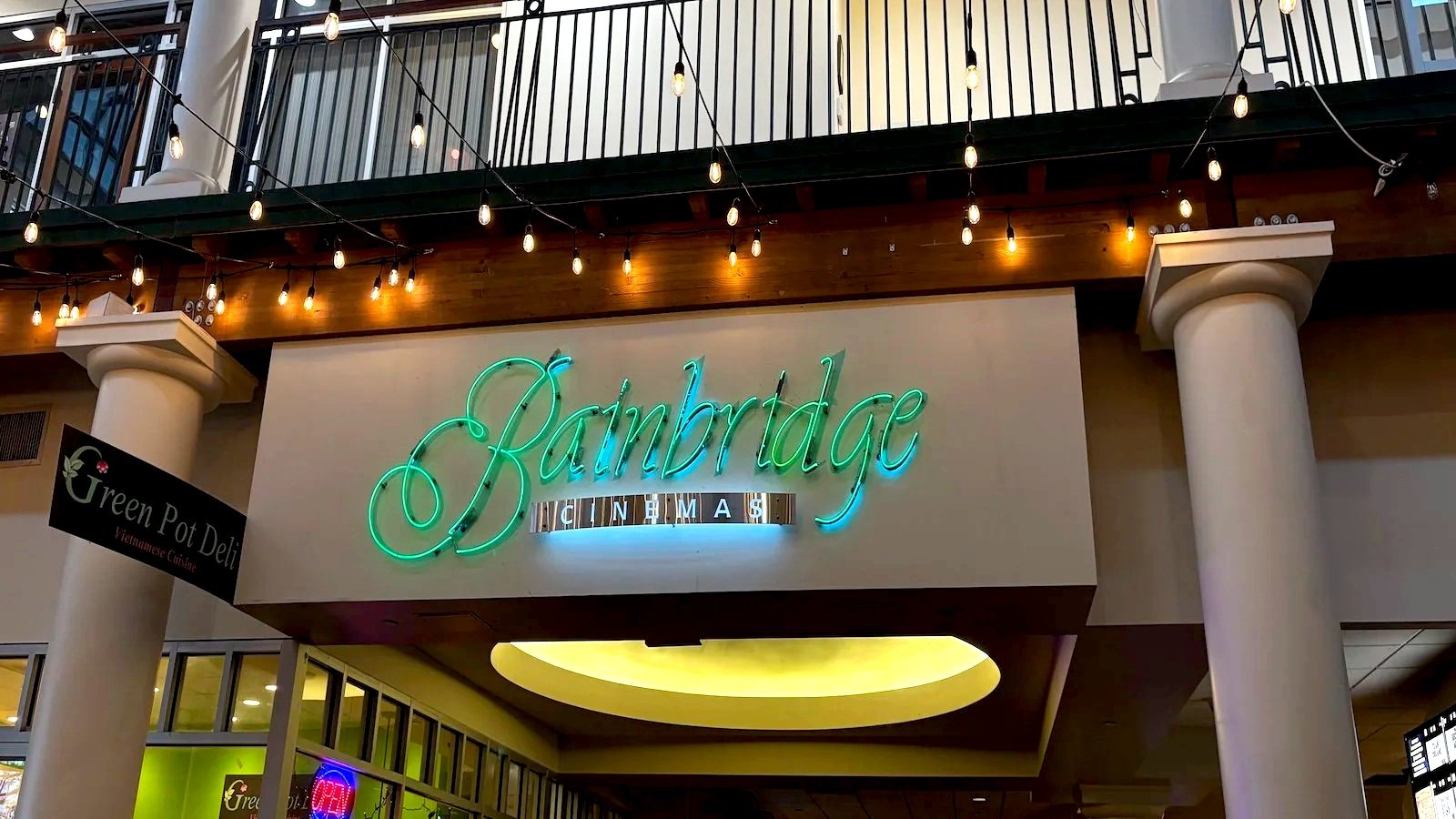
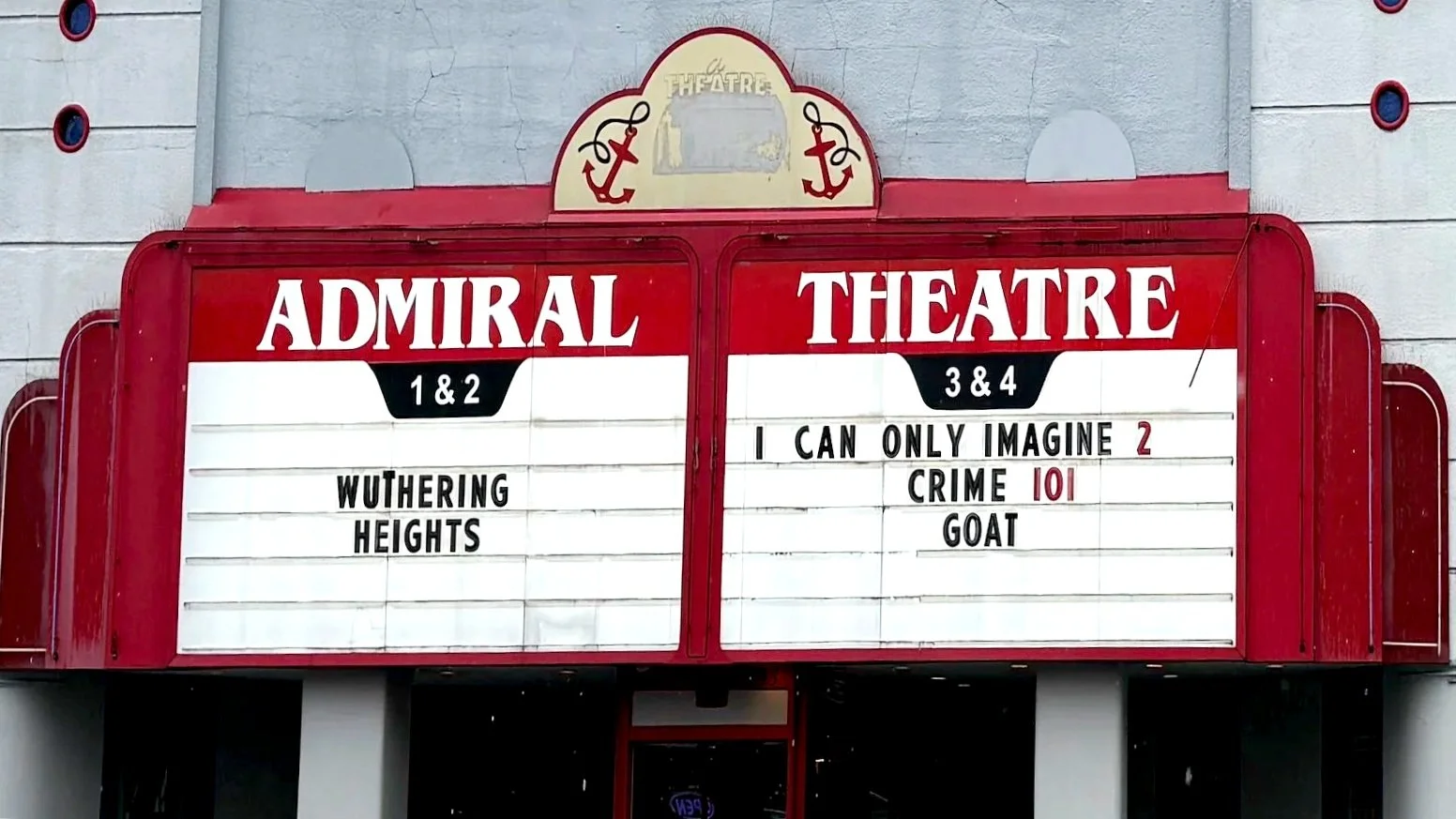

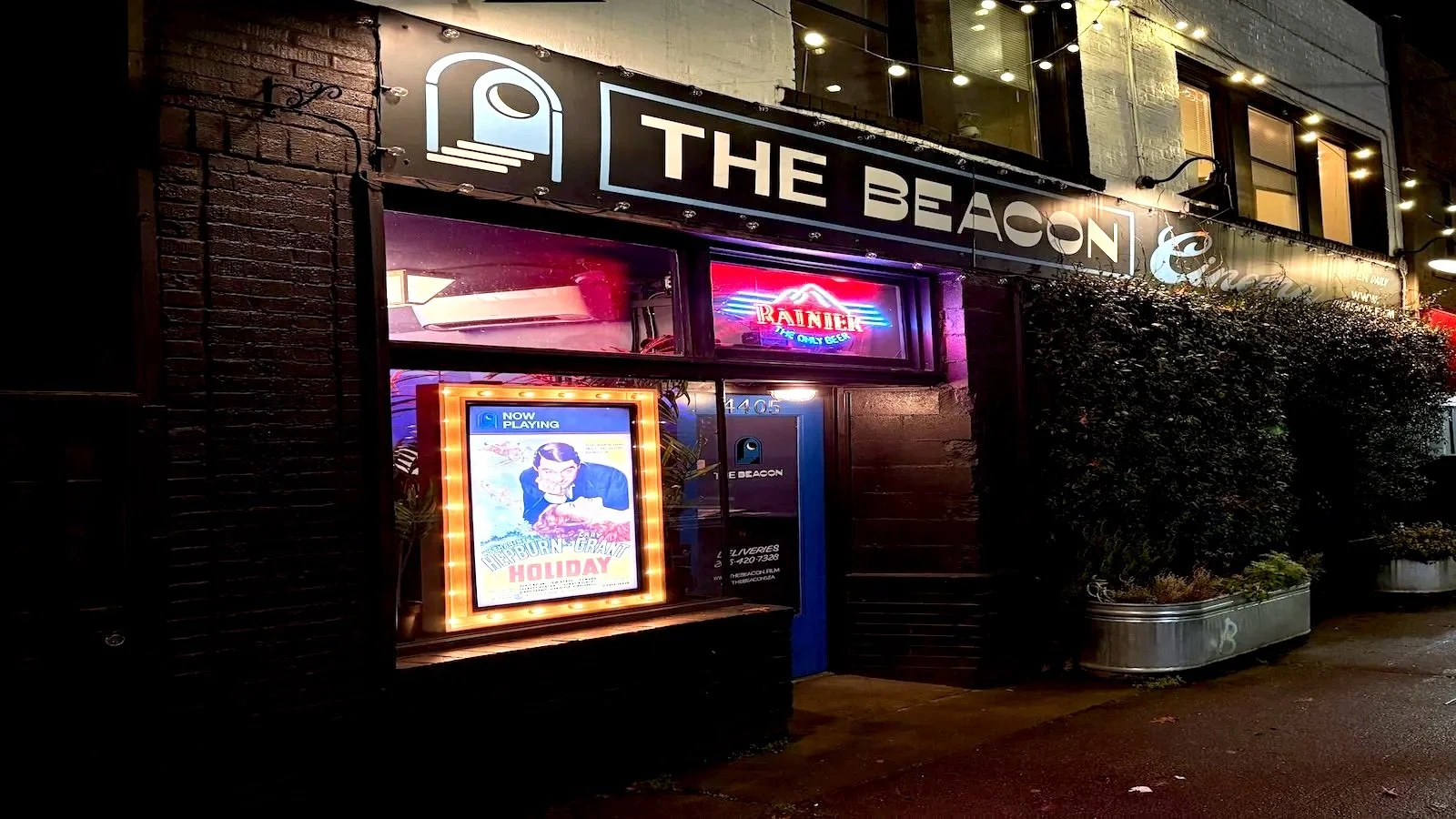
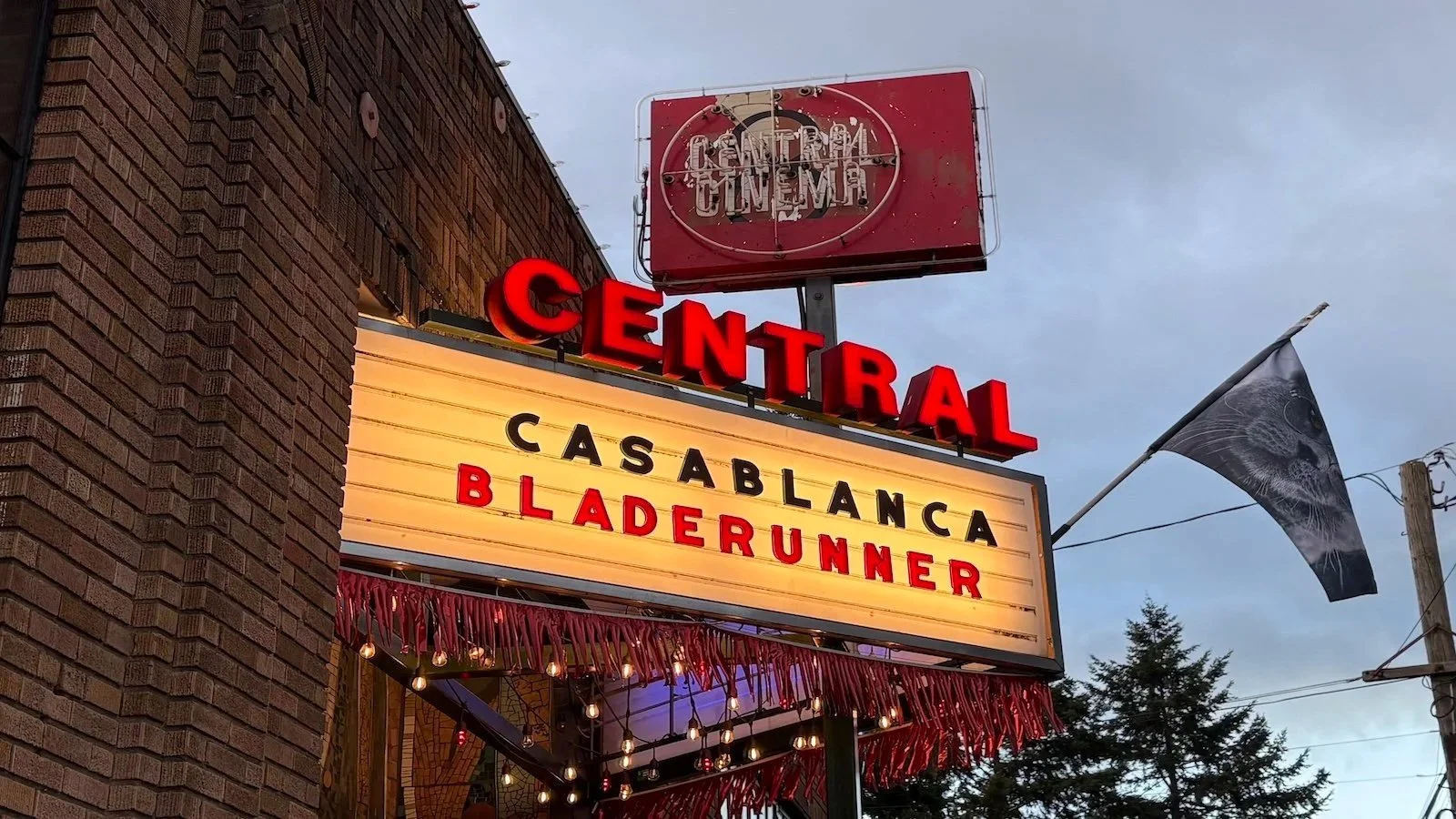

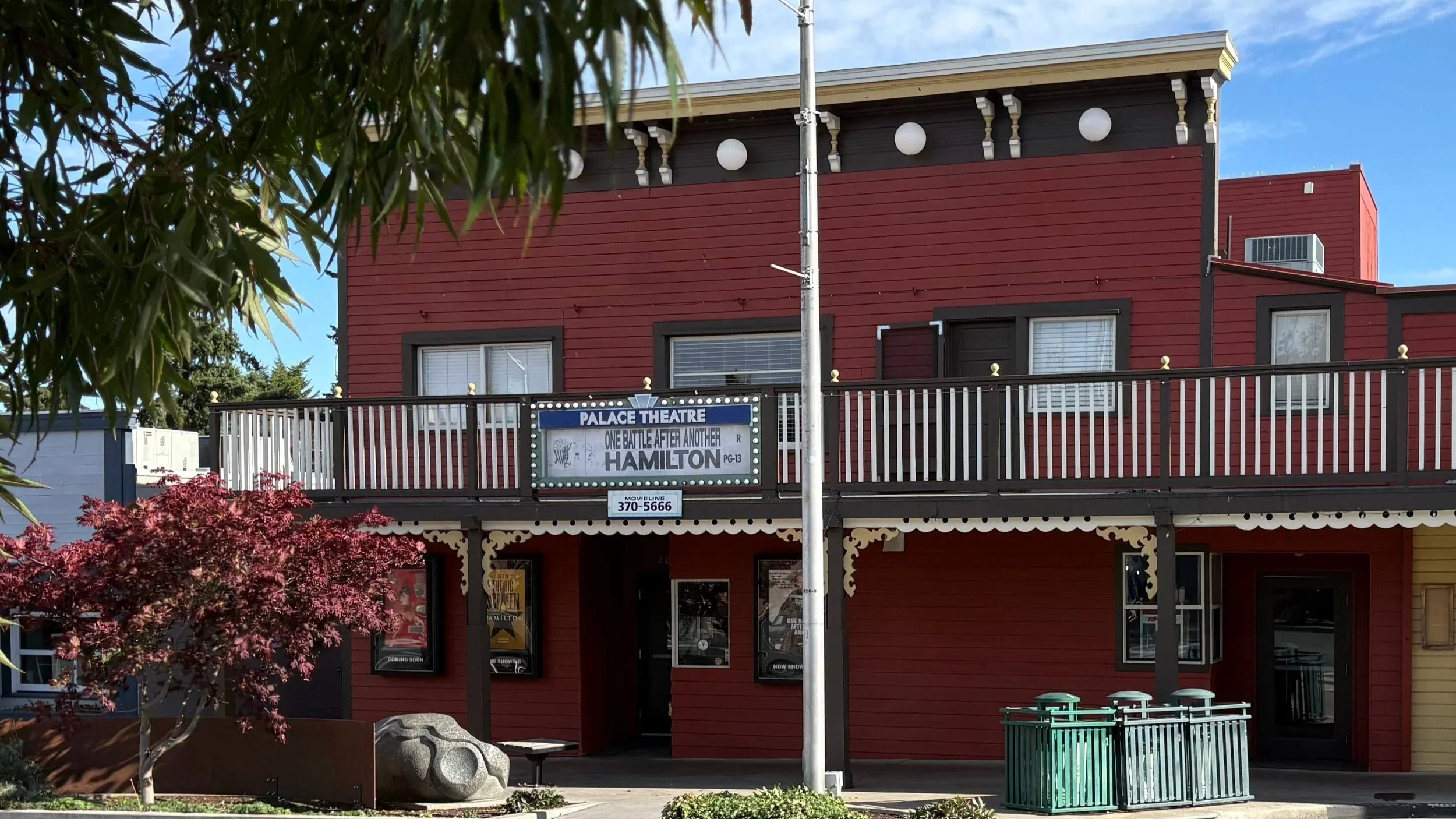


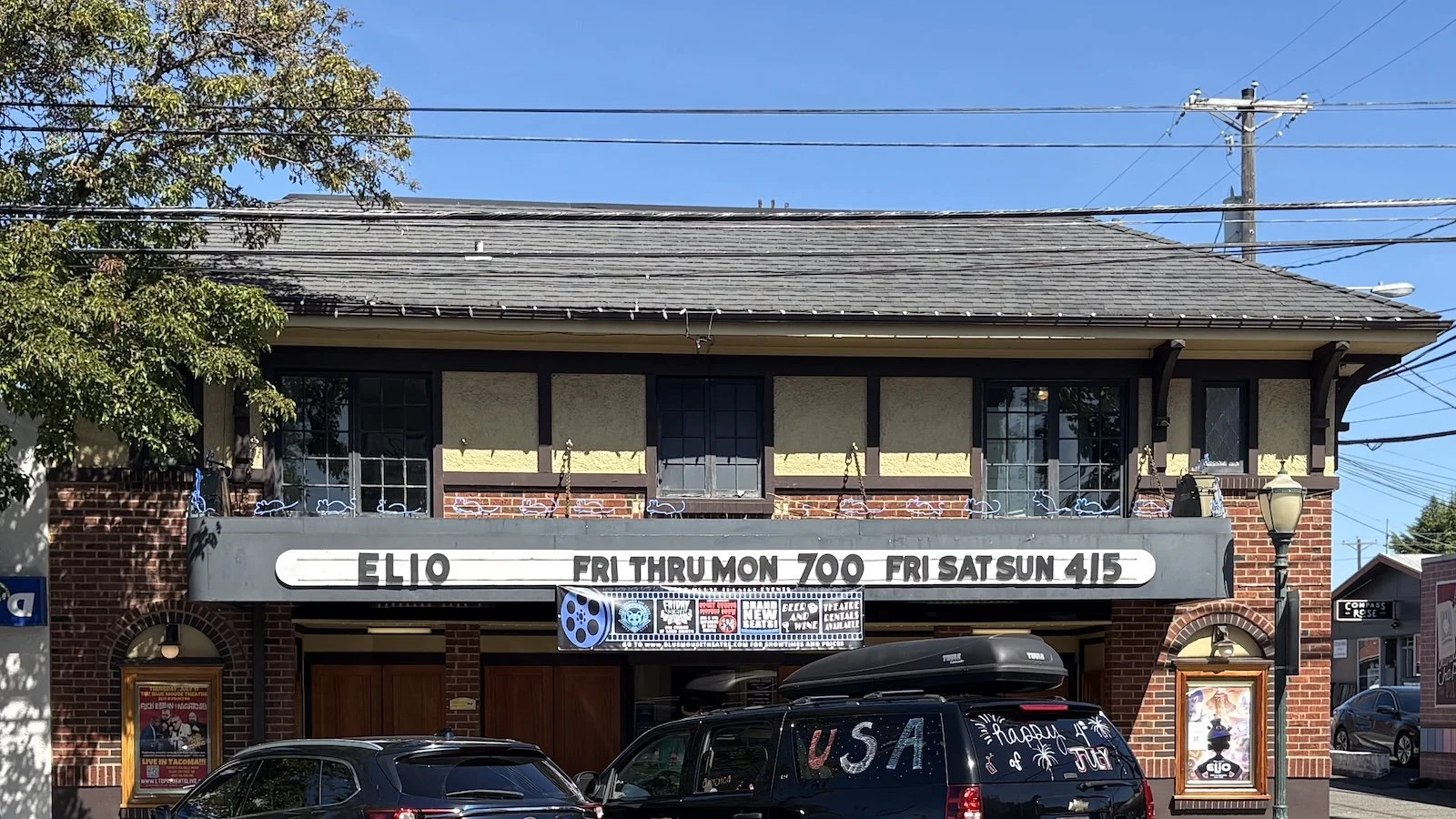




Bainbridge Cinemas caters to a wide demographic. It is meant to be a theater that offers broad audience fare so that those that live on Bainbridge Island do not have to make a trek to the mainland if they want to see the latest releases on the big screen. Like most theaters, the theatrical window can be a bit tricky to manage, but in the old sense of the theater experience, if it plays, it stays.
I happened to be in Pier 4, but even amid the modern seating, state-of-the-art sound, and digital projection, there was still a piece of the old theater in the partial mural on the auditorium wall. It was a bit haunting, like looking at something that was not supposed to exist anymore. It kept catching my eye as I sank into the comfy seat with ample leg room.
The theater is unassuming, tucked off to the right of SR 104 in the town of Kingston. Those waiting for or heading to the ferry to Edmonds likely drive right by it. Yet, Smith's original mission of creating a movie theater where locals can come and see something on the big screen is alive and thriving—especially on $9 Wednesdays when the afternoon crowd buzzes. The theater functions as a community hub and a place where people can see a blockbuster or the independent, art house, international, and repertory films the big chains disregard.
Before the brilliance of IMAX or the new immersive theater gimmicks of today, there was Cinerama. The technique was to use three synchronized projectors to run a film on a staggeringly large, curved, widescreen. It was a way to mimic how the human eye sees. The format began in 1952 and quickly spread in the 1960s. Seattle obtained its own Cinerama theater in 1963. Though, soon after, the format fell out of fashion and the suburban multiplexes kept people closer to home and away from these one-screen wonders. Seattle's theater languished and was ready to close for good when Microsoft co-founder and all around pop culture philanthropist Paul Allen saved and revamped our Cinerama.