
Tanggol Migrante Maintains Support of Filipino Migrants as US Mourns Renee Good
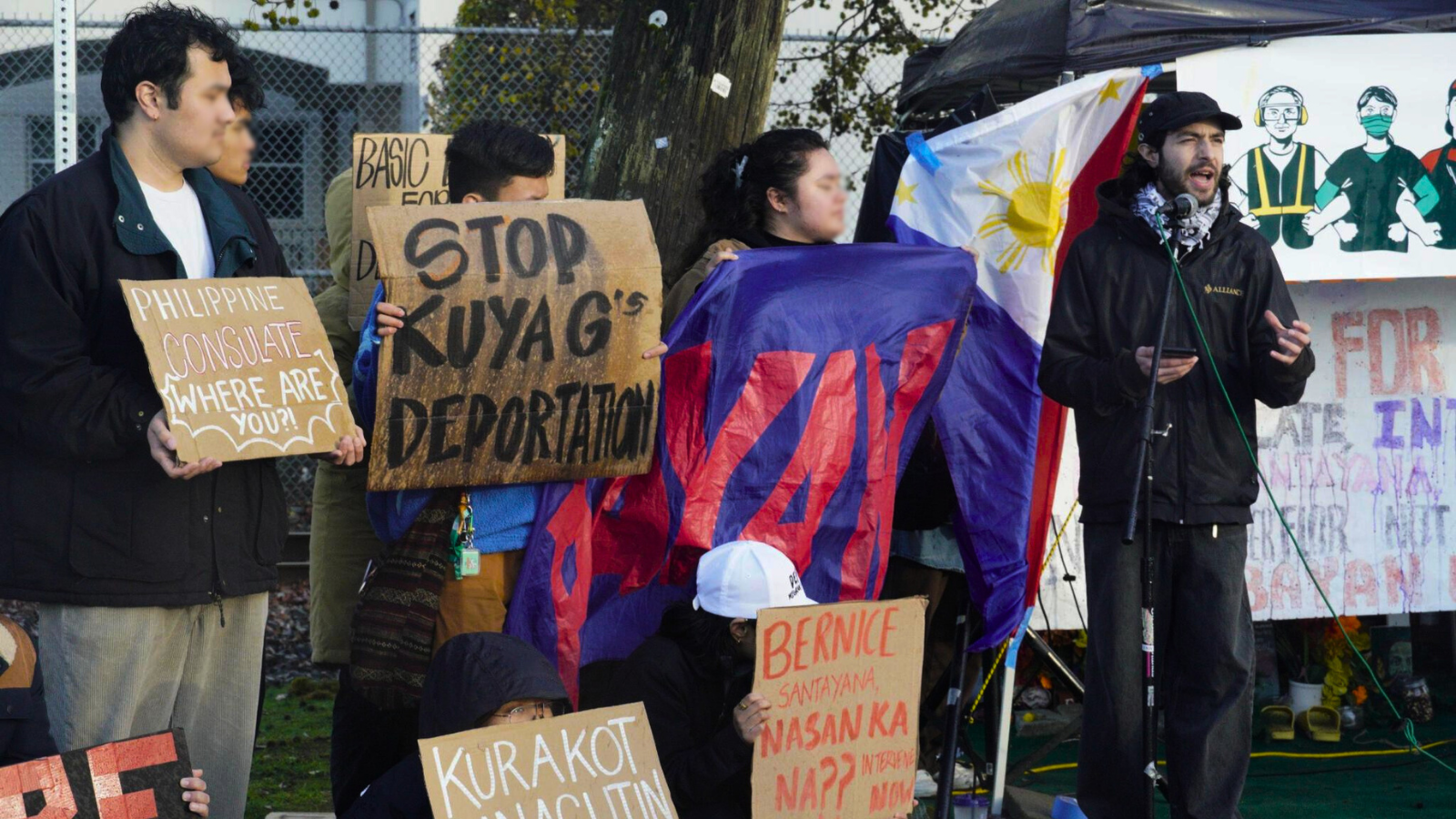
Rally for Kuya G with Tanggol Migrante members on December 7, 2025.
Lorenzo Lalimarmo
The new year came out swinging. The newspapers covering yet another US-backed coup in Venezuela barely cooled from printing when ICE officer Jonathan Ross shot and killed legal observer Renee Nicole Good in Minneapolis. As ICE activities escalate and continue unchecked, so too does the number of casualties. Grief and rage march hand-in-hand in the streets.
It is understandable why the response to Good’s murder was especially animated; the egregious incident happened outside, with many witnesses, and caught on camera. It is easier to project anger onto and seek accountability from an identified culprit than still unnamed vigilantes, unknown prison employees, and well-established and well-funded systems of violence.
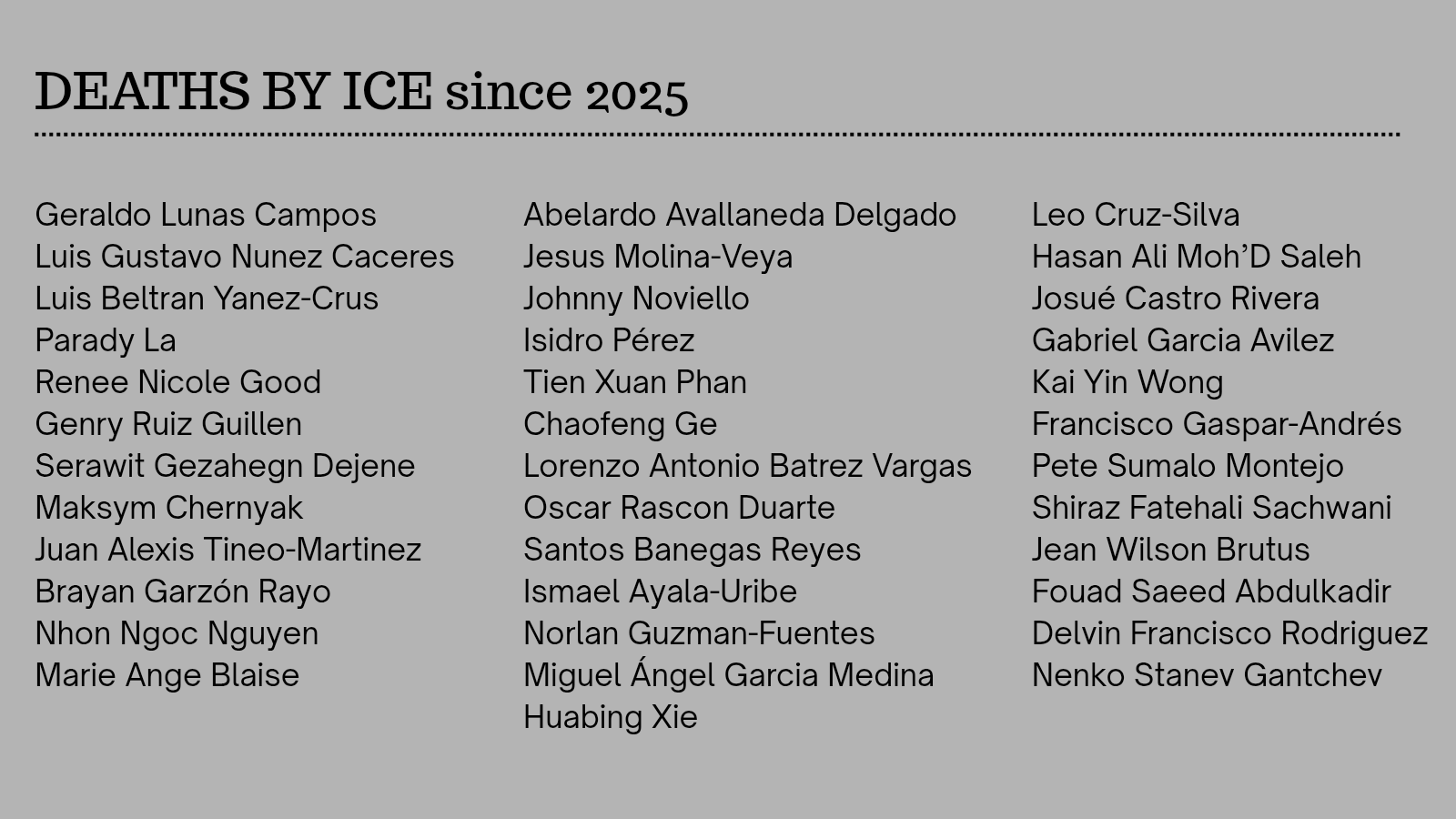
Good was also white. Migrant activists rightfully noted that the death toll didn’t start with Good, but with numerous detainees killed during the largely opaque process of deportation—Black and brown bodies are, once again, obscured, nameless. A (probably non-comprehensive) list is included here. This critical misstep sparked a series of vigils mourning all ICE-related deaths in Seattle and across the country. Though we must feel and process grief, vigils cannot end in grief—especially when migrants are actively dying in the Northwest Detention Center.
Kuya G is a Filipino migrant and legal permanent resident currently detained in NWDC. In October, Kuya G developed ulcerative colitis, severe bone infections, and experienced multiple heart attacks. ICE and the GEO Group employees that run NWDC neglected Kuya G’s worsening medical crisis. According to Tanggol Migrante, a network dedicated to defending Filipino migrants, Kuya G’s ulcerative colitis could have been prevented had he received proper care months ago, and without proper treatment the condition can develop into colon cancer. Despite these inhumane conditions, ICE continued to deny Kuya G medical care. When finally at the hospital for surgeries and a partial amputation of his foot, he remained shackled to his bed, under 24/7 surveillance, without access to his lawyer. Upon return to NWDC, ICE medical personnel prematurely removed Kuya G’s stitches. In December, ICE attempted to place Kuya G on a deportation flight despite being unfit to fly.
“The medical staff provided by ICE had examined him and said he was medically clear to fly,” said Lorenzo Lalimarmo, a member of Seattle’s Tanggol Migrante and BAYAN Pacific Northwest. “The airline staff did their own separate examination and determined that he was unfit to fly…[Kuya G] went back to the detention center, his legal team was able to file a temporary restraining order based on his medical condition for two weeks…We don’t know what’s going to happen.”
In a statement to his supporters, Kuya G said: “I want to thank everyone who has been helping me, especially Tanggol Migrante…I’m going to keep fighting because you guys are around me all the time. I’m not going to stop fighting until I get relief over here.”
It wouldn’t be an exaggeration to say that Kuya G may not be alive today without tireless efforts from local grassroots organizers. Tanggol Migrante helmed the many efforts to save Kuya G’s life. They fundraised for Kuya G’s lawyer, amplified his story to garner support, and halted his deadly deportation. Not only are they putting pressure on ICE to provide comprehensive care, they also demand the assistance of the Philippine Consulate, whose absence and neglect is felt by many Filipinos.
Sources: The Guardian, Detention Watch Network
The Evergreen Echo
Tanggol Migrante, which has chapters across the United States, include in their analyses of Filipino migrant issues the long-reaching arm of United States imperialism and Philippine corruption that forces many Filipinos to work abroad. Anti-immigrant sentiment is only one facet of our current crisis; Tanggol Migrante asserts that we must address the root causes of migration. These are: US imperialist interests that control the Filipino government through military occupation and economic control, neoliberal policies that systematically exploit and export Filipino labor, and the corrupt ruling class landlord families within the Philippines that benefit from these systems. The Philippines is not the only country that suffers under these purposefully manufactured conditions.
Mainstream news media too often misses this analysis. We compartmentalize politics into “foreign” and “domestic” policy, disregarding the connections between them. The current coup in Venezuela is a textbook example of the US destabilizing another country politically and economically, thus forcing people to migrate for a decent livelihood. US interventionism and anti-migrant sentiment work in tandem to demonize and exploit the impoverished and working class in the Global South.
The interconnected struggle continues for migrant lives, national sovereignty, and a just peace. These words and concepts feel faraway, unattainable, vague. There are, however, concrete next steps. Tanggol Migrante sets an excellent example of migrant advocacy by connecting with detainees, identifying and meeting their needs, amplifying their stories, and monitoring ICE’s activities at NWDC.
While we must mourn yesterday’s losses—while it is fair to fear for our futures—we can still help save lives today.
