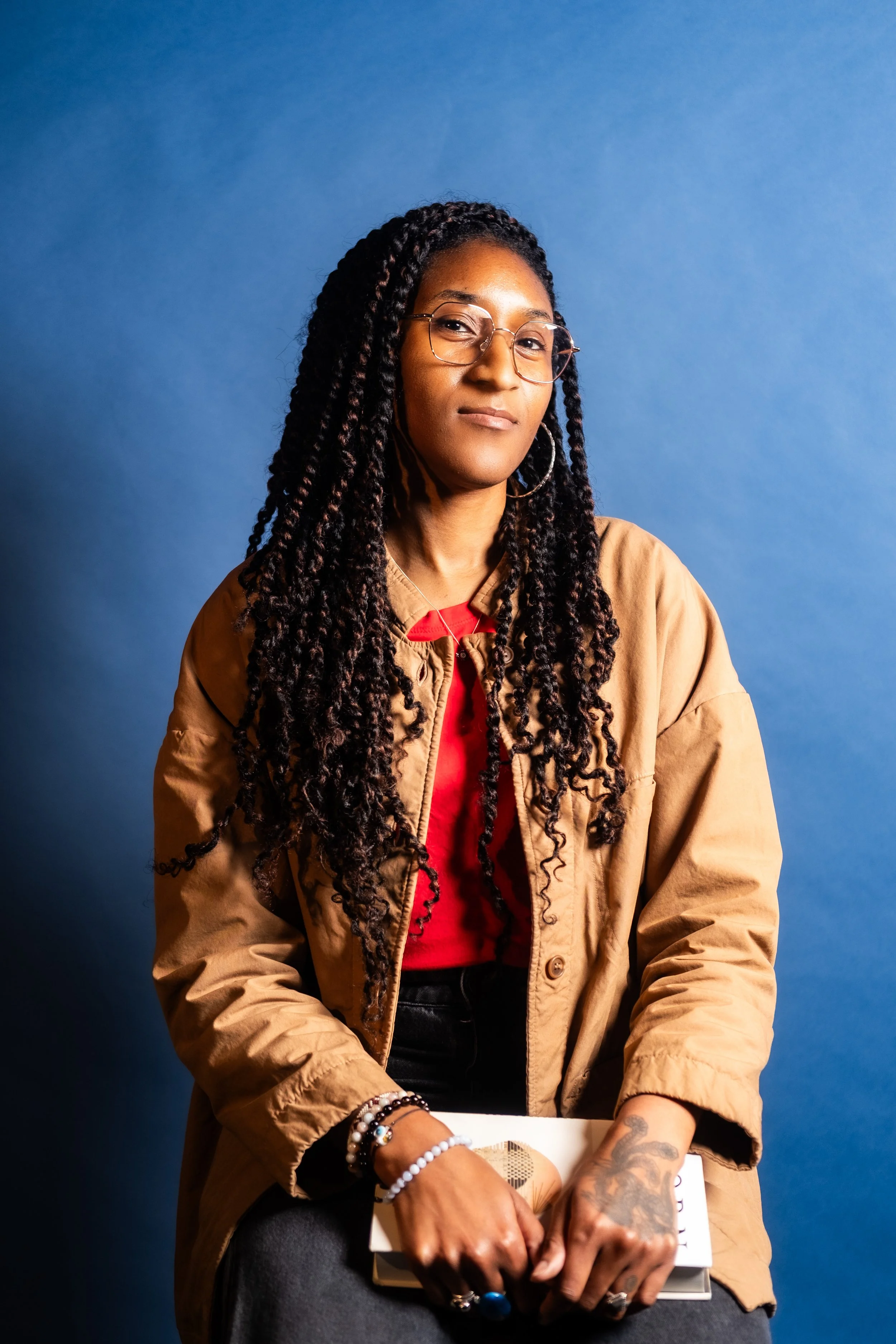
Evergreen Style: Prairie Underground
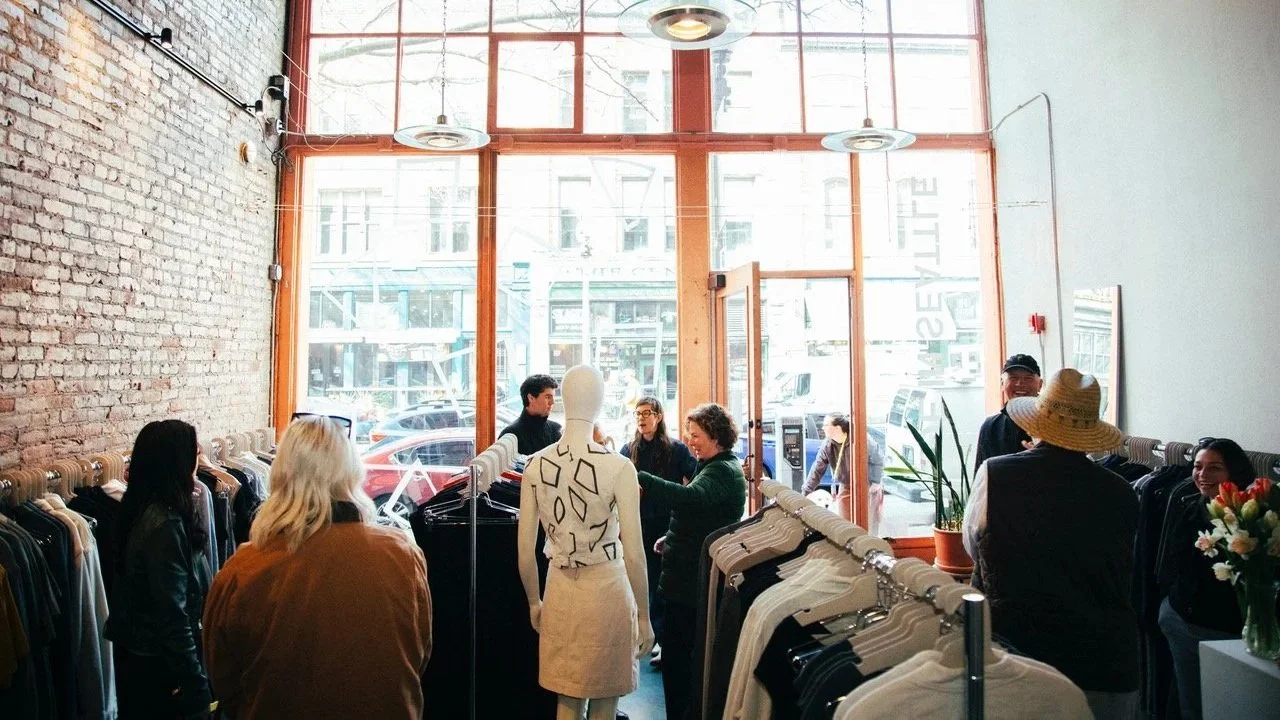
Inside Prairie Underground’s Pioneer Square location
Courtesy of Prairie Underground
While Earth Month has been celebrated worldwide in April for more than 50 years, the fashion industry’s responsibility to the planet extends far beyond a single month. At Prairie Underground, a fashion label designed and manufactured in Seattle for over 20 years, sustainability is not a momentary focus but an everyday practice. Camilla Eckersley, one of its co-founders, is committed to creating an industry that is fair, fun, and environmentally responsible.
One way the team has recently put this commitment into practice is through a series of local pop-up shops. The first was launched during Fall 2025 in Belltown. On April 2, the label opened a new location in Pioneer Square. It’s within a 10-minute drive from their headquarters in Georgetown, offering a space where innercity shoppers can directly engage with the people, materials, and values behind the label.
In a moment when fashion is too often experienced through screens, this boutique-like setting fosters closer, more tactile connections. To learn more about the vision for this expansion, I spoke with Camilla about Prairie Underground’s design evolution, their experiences with local production, and what sustainability means for them today and in the future.
JeLisa Marshall (JM): In the more than 20 years that you have been building Prairie Underground, how has your design approach changed, and what has stayed the same?
Camilla Eckersley (CE): Over the past 20 years, so many things have changed, in Seattle and personally! When Davora and I started, we were essentially designing for ourselves. We drew inspiration from vintage and thrift pieces we owned, our favorite designers, and historical clothing we studied, all grounded in the very real physical realities of our working lives in Seattle. As manufacturers we worked in cold, damp workshops, hauling fabric rolls up staircases and climbing on cutting tables to draw our markers—we needed clothing that could survive tough environments.
Early on we found some core materials we’ve continued to use—organic fleece and French terry from North Carolina, organic jersey and rib knit in LA and deadstock stretch denim—that made sense for both our ideas and our climate. From there, we began building what I think of as decorative armor.
The process is still personal, but now it’s informed by our history. We have long-standing relationships with customers and friends, and a deep library of patterns and ideas. I understand more about the different ways people live in our clothes; I return often to past styles, refining and reinventing them over time. My relationship with fashion trends has also evolved as ideas cycle back and I have more distance, I feel I can play more freely with ideas.
What has stayed the same are the principles we built early on: working with sustainable, resilient, and easy-care fabrics, developing clothing as a kind of everyday uniform, making pieces that last and evolve, and producing everything here in Seattle.
JM: With Earth Month putting a spotlight on sustainability, how are these principles reflected in your work today?
CE: For anyone who loves fashion and the way people express identity through clothing, the current fashion model presents a fundamental problem. Are we allowed to enjoy clothing? Is there an ethical way to produce or even acquire new clothes in 2026? I believe the answer is complicated.
The conversation is often framed around individual responsibility, buying less, repairing more. Those are worthwhile practices, but they don’t address the scale of the problem. What is necessary is structural change. Fast fashion—built on wage theft and environmental exploitation—shouldn’t be legal to produce or import. The labor protections we’ve fought for domestically should apply to imports as well. If companies are allowed to operate outside those standards, they will, because it’s more profitable.
We need to build a different model of manufacturing—one with legal protections for workers, responsible material sourcing, and a long view of a garment’s life. At Prairie Underground, these ideas are fundamental. We produce everything in Seattle, primarily in our Georgetown factory. We source materials as close to home as possible, support organic fiber growers and organic textile manufacturing, and work within alternative business structures. Everyone here is passionate about making great clothes, and because we are directly involved, we have the time and proximity to develop ideas more thoughtfully, to make things better and to keep evolving.
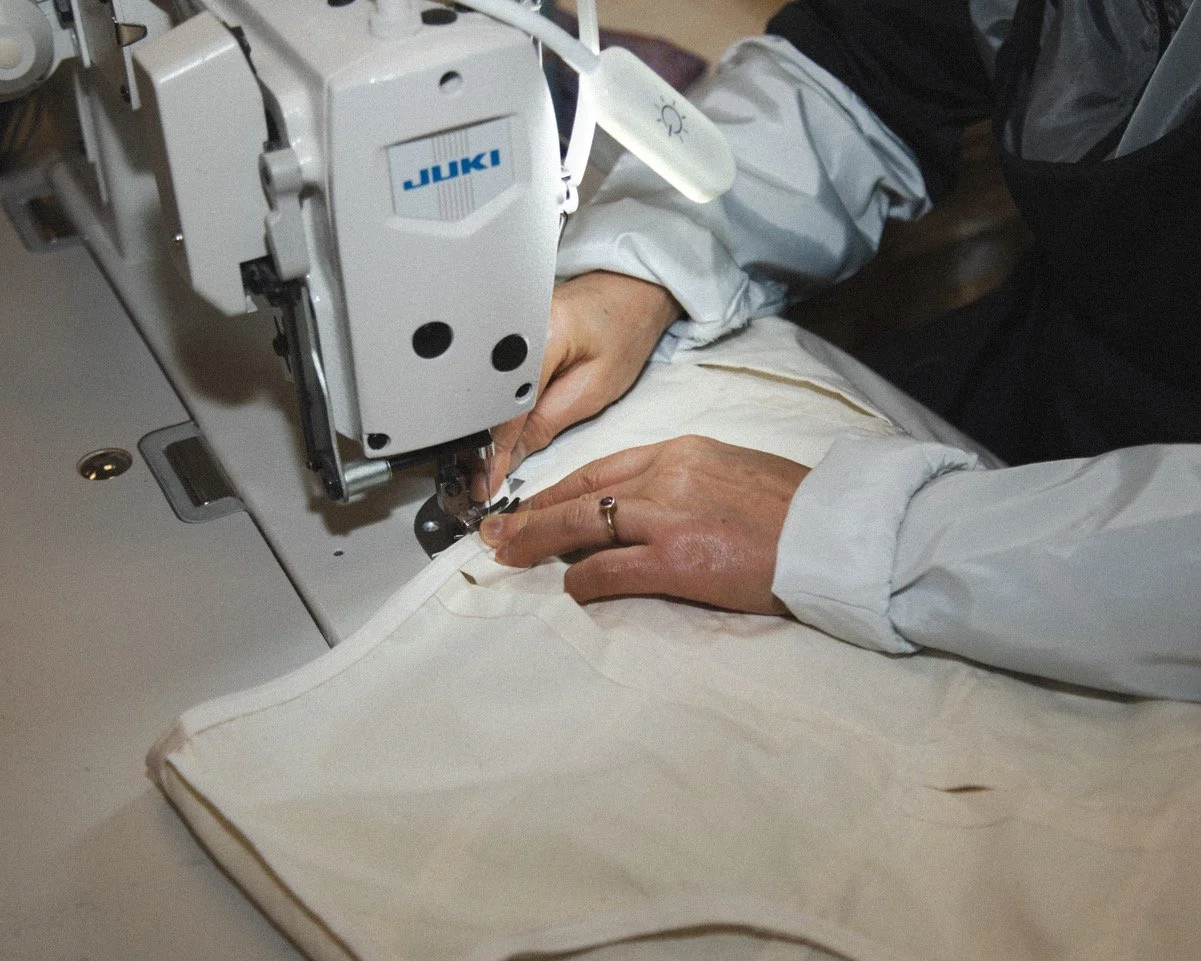
A worker crafting a garment with a sewing machine
Courtesy of Prairie Underground
JM: What made this month the right time to open a pop-up in Pioneer Square?
CE: There’s a lot happening in Pioneer Square right now, and we feel fortunate to be a part of it. It’s a historic neighborhood with beautiful architecture, [and] a strong concentration of art, bookstores, coffee, and independent businesses, something Seattle needs more of. It’s one of the few places where you can spend hours moving through a neighborhood on foot—having a great meal, seeing art, browsing shops, and running into people. The monthly art walk has become an important anchor, bringing in a wide mix of visitors and creating space for small vendors and events.
Opening in April, at the start of spring and heading into summer, made sense for us. It’s a natural time for people to be out in the city, and with the World Cup approaching, there’s a sense that the neighborhood is only going to get more active.
JM: The neighborhood is being reshaped ahead of the World Cup. What role do you see Prairie Underground playing in this moment?
CE: We’re looking forward to the influx of international visitors coming to Seattle and Pioneer Square. The city plans to close some streets to cars on certain days, and I’m interested to see how that shifts the neighborhood into more of a pedestrian space. Seattle can feel a bit sleepy at times, and I hope this moment reminds us how important it is to be out in the world, mixing and engaging. Ideally, it supports the small, independent spaces that give a place its character.
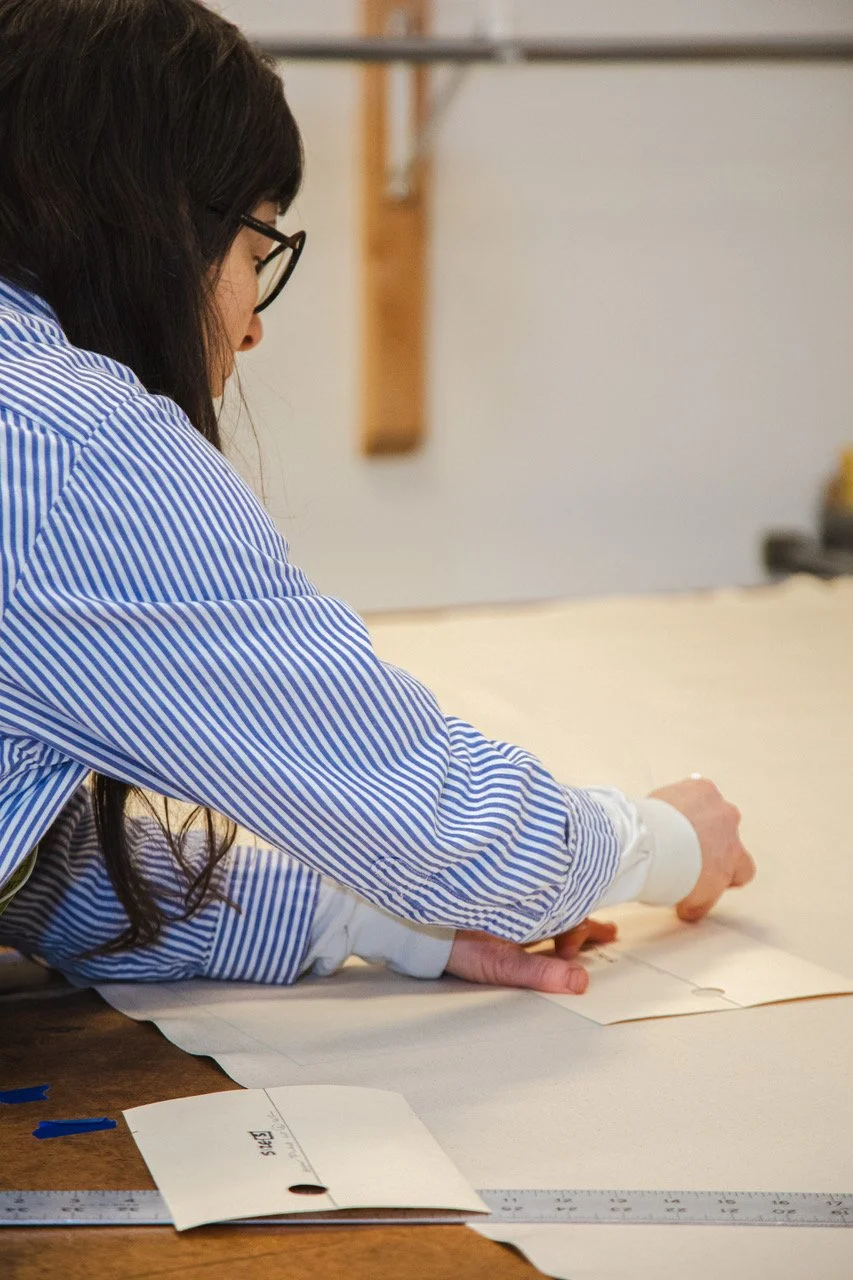
Camilla Eckersley at work
Courtesy of Prairie Underground
At the same time, we have real concerns—particularly around how the city will handle homelessness and ICE. Our mayor and City Council have a responsibility to expand housing and services and to protect immigrant communities and international visitors. I hope they meet that challenge in an ethical and meaningful way.
I believe that movement and exchange between people is a positive force. Bringing people together across borders makes cities better, and I hope this moment contributes to a more open, interesting, and engaged place.
JM: For someone discovering Prairie Underground through the pop-up, what do you hope they experience and carry with them?
CE: I hope people can see the full scope of what we do—how ideas repeat, connect, and evolve across the collection. There’s a continuity that becomes clearer when everything is in one place.
I also hope they get a glimpse of what local manufacturing looks like. All clothing is made by hand—it’s just usually made far away. Ours is made here, in our small factory in Georgetown. We want to show that process in the space, including a video of how the garments are cut and sewn.
Mostly, I hope it sparks something. Making things thoughtfully—whether it’s clothing or anything else—is a powerful act. If people leave with a curiosity about that, or a desire to support it, that feels meaningful.
Prairie Underground suggests that sustainability in fashion is less about one-time statements and more about systems that stand the test of time. Through local production and direct engagement, this approach has evolved in both accessible and relational ways. Although Earth Month often prompts increased consumption, Prairie Underground is pairing a special promotion of its organic cotton styles with a film screening of Fashion Reimagined to encourage collective action and personal reflection. Find more information about the events on their website.