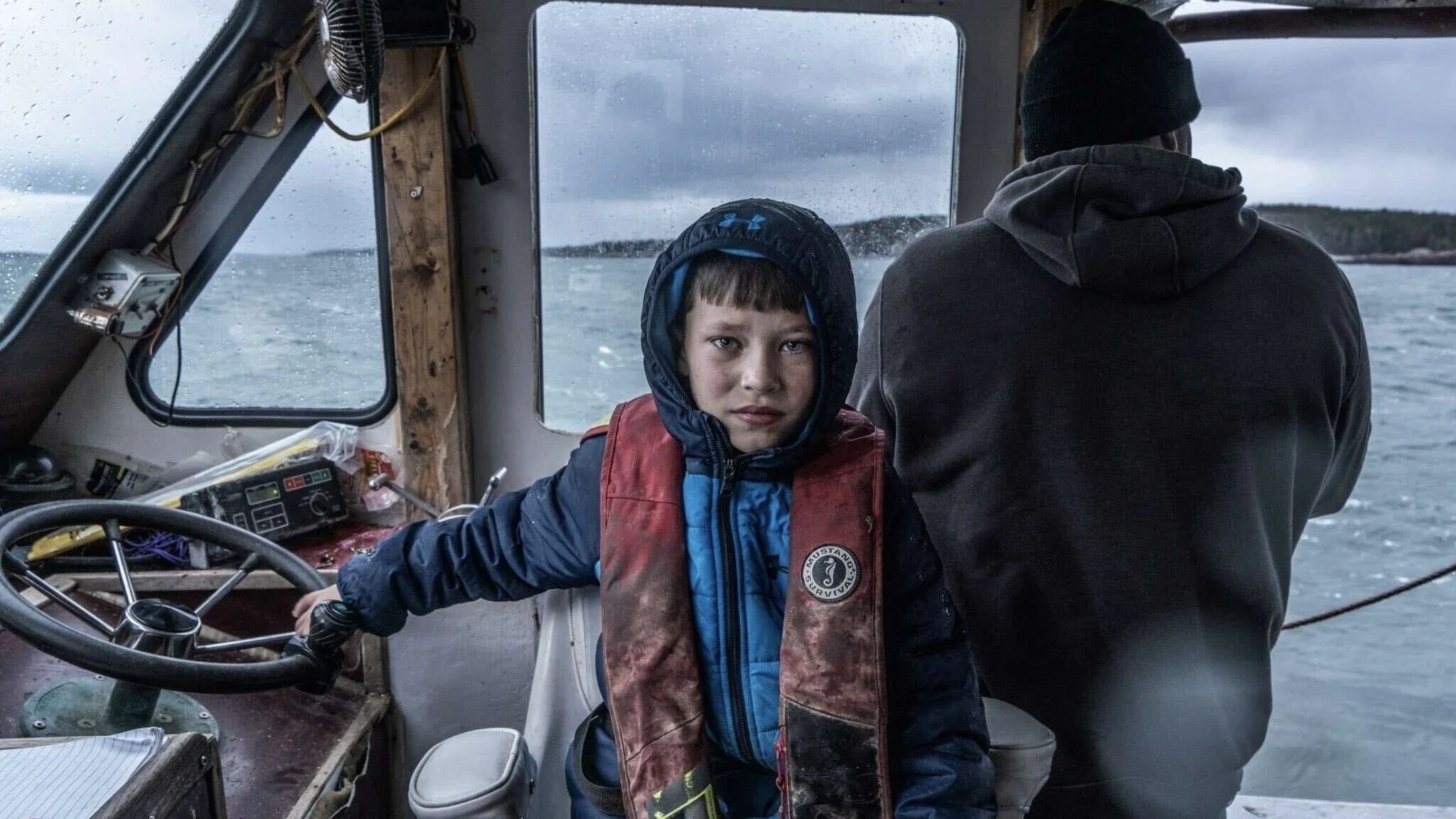
Still from Bucks Harbor │ Courtesy of Tacoma Film Festival
Tacoma Film Festival ran this past weekend, October 22-25, at the Grand Cinema. This was the festival’s 20th anniversary of bringing the best of independent features and short films to Tacoma audiences, and the programming this year knocked it out of the park. There were many highlights, but two documentary films really stood out for their parallels to each other and the uniqueness of their voices.
Dwarf Neon Mayfield is a documentary debut from first time filmmaker Leland Nally. The film follows the rural communities of Dwarf, Neon, and Mayfield, Kentucky after a deadly tornado in 2021 and a major flood six months later wiped out large swaths of the towns. Bucks Harbor, directed by Pete Muller, is set in far eastern Maine in the small fishing town of Machiasport. Granted the TFF jury award for Best Documentary Feature, the documentary follows four fishermen and their daily lives over the course of several years. Both films follow communities living on the edge of the wilderness, and neither of the filmmakers shy away from the hardships and cyclical trauma in many of their subjects’ lives.
In both documentaries, the filmmakers infuse their human stories with animal imagery. In Dwarf Neon Mayfield, Nally focuses on cicadas, which came out of the ground early the year of the tornado. Nally explained in a following Q&A that this happens during climactic disruptions, and in the film, a line of text asks the audience, “Will they ever know of the storm that summoned them?” The cicadas are an evocative image in a film which brims with life even in the midst of destruction. The documentary includes scenes of cows openly grazing the new greenery around abandoned homes, and cats, dogs and pigs foraging the wreckage alongside humans.
In Bucks Harbor, lobsters are naturally the animal of choice and are given amazing underwater close ups. The lobster’s molting—shedding its hard exterior to reveal a vulnerable new skin—is a potent metaphor for the film’s core theme: Bucks Harbor gently exposes the harmful expectations of masculinity within the fishing community of Machiasport. In one gutting scene, a child accompanying his dad on a hunting trip cries silently in the backseat before toughening up to go show the film crew the moose his dad shot down. Throughout the film, Mark, a lobster trap builder, films TikToks of himself in drag from the safety of his own home, but does not dare go out in public in drag.
Another theme that emerged in watching these two films was the feeling of being stuck in a place. Bucks Harbor leaves you with a sense of melancholy seeing the way that many people in the town have had to crush dreams of a different life to maintain tradition and the expectations placed on them. In Dwarf Neon Mayfield, almost everyone left town soon after the storm, but Nally mostly filmed four months after the tornado, meaning his subjects were the stubborn, courageous few who chose to stay.
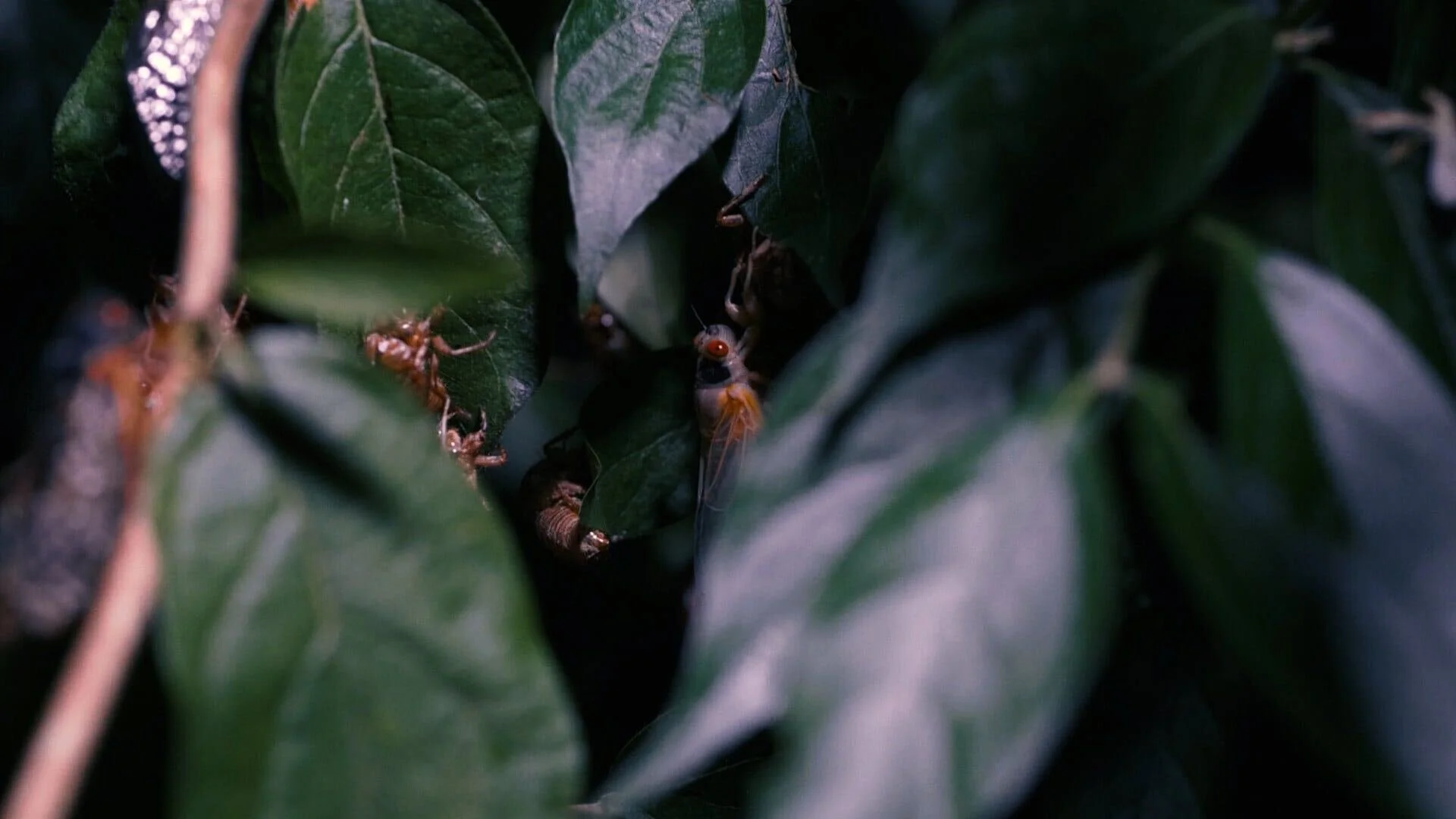
Cicadas in Dwarf Neon Mayfield │ Courtesy of Tacoma Film Festival
Documentaries are a tricky medium. Showing the truth can become muddled by stereotypes and the urge to insert a narrative. They also have the potential to be extractive of their subjects without giving back. Both of these films manage to avoid the harmful pitfalls through their filmmakers’ immersive methods. Muller lived in the town of Machiasport for nearly five years while filming Bucks Harbor, becoming a regular in the town and in the lives of his subjects in order to tell the story right. Bucks Harbor screened at the Camden International Film Festival in September and the fishermen stars of the film drove down to watch it and celebrate what they had helped create.
Though Nally is from Indiana, almost all of his family is from Mayfield. He initially took his first film camera down to Mayfield to look for his grandpa’s gravestone. He then came back months later to shoot, often sleeping in his car between filming sessions. He explains how, “If I were to rock up with some film crew or a sound guy with a boom, this movie would have never happened, you know what I mean? I really only appreciate in retrospect how coming up with a DSLR as one person, and I would always walk up—I was traveling on foot a lot—just kind of changed the whole equation.”
I find it hard to take myself out of this review. I’m from a rural community of deep-rooted wealth disparities and very mixed political leanings. In both Bucks Harbor and Dwarf Neon Mayfield, I saw plenty of things I don’t agree with: Confederate flags. Kids wearing “Faith, Family, Firearms” shirts. Church meetings where a group of men are told that everyone “out there” is going to burn in hell. But these films also create empathy and understanding of how beliefs are taught and how assimilation can come out of survival. I was struck by the warmth and openness to vulnerability displayed in both of these documentaries, a testament to the filmmakers. I recommend Dwarf Neon Mayfield and Bucks Harbor to any curious folks out there looking to be moved.
In addition to a number of feature films, Tacoma Film Festival led a selection of short film programs, some of which I will be discussing in the next dispatch from TFF. Stay tuned!