3 SIFF Films Challenge Perceptions of Bureaucracy
Still from Deadline
Courtesy of SIFF
Humans have developed systems in order to bring about a sense of society. This society is an elevated practice of hierarchies and the development of a hegemony. Society, and its function, is a way to govern and subsume the individual. It creates the need in each of us to be a part of it in order to survive, and encourages us to think in terms of the survival of society as the utmost function of our being. Not all societies are oppressive or harsh, but they have all built a web of protection around their cores in order to keep some elements of chaos out and give us the sense that the system is fair for everyone. This is the wall known as bureaucracy.
Film is an art form that can show bureaucracy at its very worst and at its best. It is a subjective art form that puts emphasis on the human elements of bureaucracy. We see both sides of the equation, sometimes in equal measure. Film helps us build empathy with anyone who is going up against the system. We feel for the people on screen and can see the flaws inherent in the system laid out before us.
At this year's Seattle International Film Festival (SIFF) there are a number of films that show us the depth and dehumanizing nature of bureaucratic systems, from the idealistic investigations of police officers accused of wrongdoing down to a cloistered community attempting to figure out if an outsider is who he says he is. We even get a look at what is the first taste many of us have of the strange beast of bureaucracy: high school.
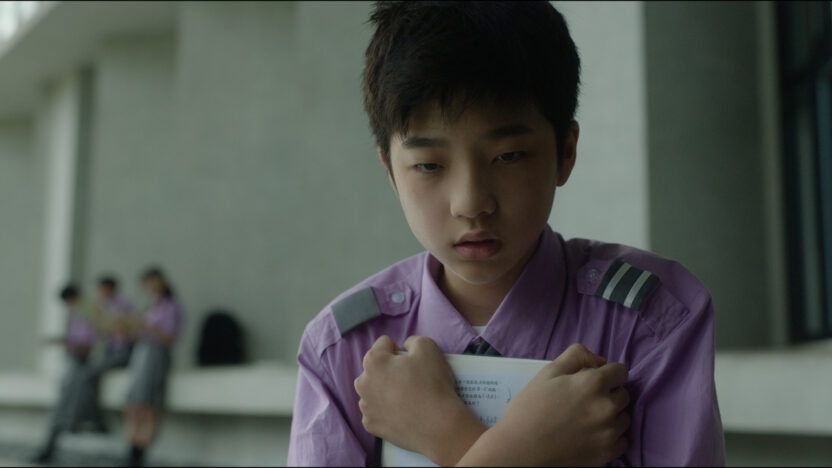
In Deadline, directed by Kiwi Chow, Taiwanese students and faculty at a highly competitive private high school are ranked and rewarded using a computer system, which does not compute the high cost of achievement. As the story unfolds we see the cracks in the façade of the program and the false auspices of fairness. When there is a threat of a student suicide, the titular deadline is imposed, but the system in place will not allow for a derailment no matter the human cost. As the heft of this burden continues to be felt, it is the plight of the teachers and administrators caught between their students and the school board that feels so desperately helpless. As they try to care for their students yet not disobey the rules that keep them employed, their humanity is tested to the limit. Deadline becomes a complicated miasma of indecision and frustration as the people on the inside find themselves fighting against the systems they were meant to protect.
Still from Case 137
Courtesy of SIFF
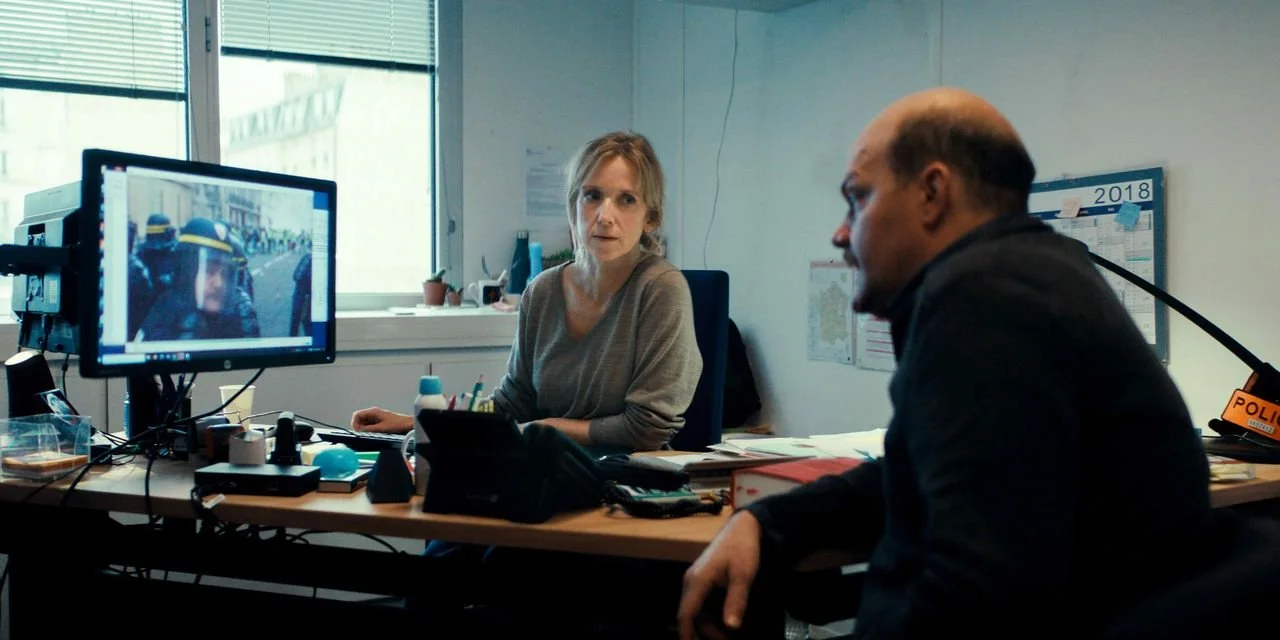
This is much like the plot of Case 137, directed by Dominik Moll. During the Yellow Vest protests of 2018, French police officers, as part of their version of internal affairs, IGPN, worked through hundreds of complaints against fellow officers who used excessive force in attempts to quell protests. The officers of the IGPN are getting it from all sides as fellow police chide them for what they do and citizens deride them for not doing enough. They stay within the confines of their mandate, they file the reports, they gather evidence from unwilling witnesses on both sides, and they present their findings. The film shows the objective truth: The stories of the officers involved do not match the footage found and other eyewitness reports. Yet, with all of the evidence in front of them, the bureaucracy steps in to save their own. The top brass close ranks and the idea of truth becomes malleable, adaptable, and subjective. The officers of the IGPN are stymied and every attempt is found to try to change the narrative toward their character and conduct. Truth is not meant to be subjective. It is meant to be irrefutable, but more often than not in situations where society could be in jeopardy, truth has two sides.
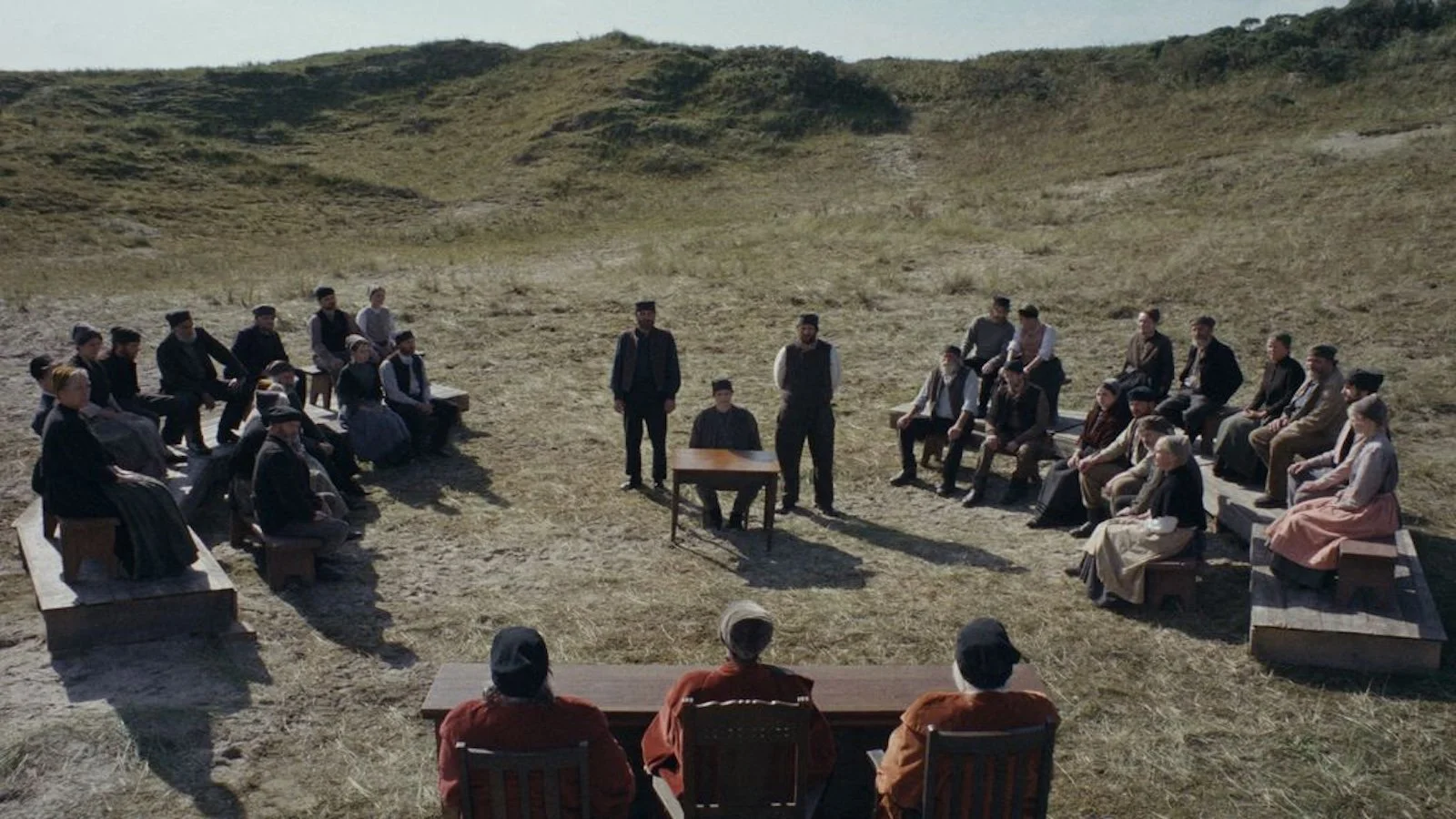
The idea of what should be an inalienable truth is dissected in Trial of Hein, directed by Kai Stanicke. Hein (Paul Boche) decided to leave his cloistered, island home as a young man in order to become a teacher. Fourteen years later a man comes back claiming to be Hein, but no one recognizes him, and thus they all assume this man is a liar and a fraud. In order to definitively find the truth, the island elders organize a trial. The plot gets slippery as one person's perception of truth is not like another's. No matter how much Hein remembers, it is not how the island remembers him. The narrative that will let the islanders get back to the simplicity of their lives is what they want. They want for this man to be a liar so he can leave and they can continue on as they always have. Society abhors an anomaly and resists change.
Still from Trial of Hein
Courtesy of SIFF
Fairness, justice, and truth should not be so subjective. Our society within the United States runs on the idea that we are equal. The idea that there is a fair opportunity for everyone is society's way of keeping us in line and productive. It uses bureaucracy as a wall with only one small door for everyone to get through. This wall is its first and last line of defence. Should one piece of the system fail, another can swoop in and plug a crack that others could sneak through.
Film can show us the faults in the system because of its subjectivity. Even with a clear point of view, there is always a grain of doubt built into every film's truth. If we can see the faults of bureaucracy, we can also see its necessity. Though, if we resist the corruption of the system hard enough, we can crack that wall and alter the foundation. Films like these at SIFF bring to light the dankest basement file cabinets of our society in order for us to have the will to want to change.